

Salalah Khareef Tours – Best Omani Adventures | Salalah Guide 2026
Salalah khareef tours offer a unique opportunity to experience the magical monsoon season in southern Oman. During this special time, the typically arid landscape transforms into lush greenery, creating a stark contrast to the desert environment found throughout most of the year. salalah khareef tours have become increasingly popular among European travelers seeking a distinctive winter escape.
Why Choose Salalah for Your Winter Escape
The khareef season brings a refreshing change to Oman’s Dhofar region between November and March. During this period, temperatures remain pleasantly mild, ranging from 20-25°C, making it ideal for Europeans seeking to escape harsh winter conditions back home.
Most visitors are surprised by the verdant landscapes that emerge during this season. Waterfalls cascade down mountainsides, valleys turn lush green, and the air fills with a misty freshness rarely associated with the Arabian Peninsula. This natural phenomenon creates perfect conditions for outdoor exploration and photography.
The region also offers a remarkable cultural experience alongside its natural beauty. Traditional Omani hospitality combined with relatively fewer tourists compared to summer months means more authentic interactions with locals. You can check availability for accommodations that provide both comfort and cultural immersion.
Salalah Khareef Tours Essential Planning Guide
When planning salalah khareef tours, timing is crucial to fully experience the region’s transformation. The best period falls between late November and early March, when rainfall creates the most dramatic landscapes while maintaining comfortable visiting conditions.
Tour packages vary significantly in scope and quality. Some focus on nature excursions to key waterfalls and mountains, while others emphasize cultural experiences in traditional villages. The most comprehensive tours balance both elements, providing a complete picture of the Dhofar region during khareef.
Transportation options include guided group tours, private vehicles with drivers, or self-drive arrangements. For first-time visitors, guided tours offer valuable insights into hidden locations and cultural contexts that might otherwise be missed. compare different tour operators to find one matching your preferred travel style.
Most Popular Salalah Khareef Tours Destinations
Wadi Darbat stands as the crown jewel of salalah khareef tours, featuring dramatic waterfalls, emerald pools, and lush vegetation. During khareef season, the wadi transforms into a verdant paradise with flowing streams and grazing camels creating postcard-perfect scenes.
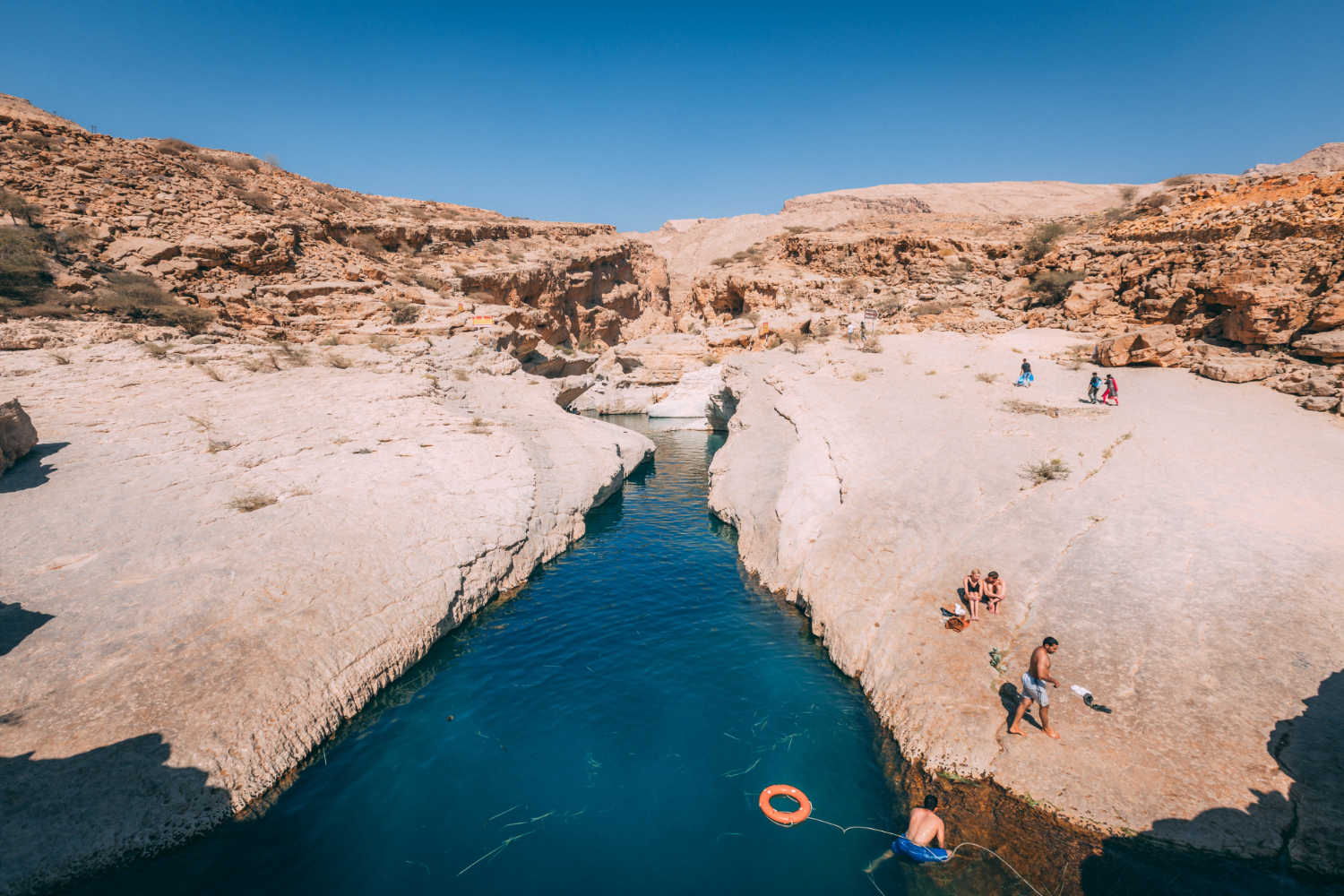
Ain Razat offers another remarkable experience with its natural springs surrounded by limestone formations. The gardens around these springs become especially vibrant during the monsoon season, making it a favorite spot for both photographers and nature enthusiasts.
For coastal beauty, Al Mughsail Beach presents dramatic blowholes that shoot water high into the air during high tide. This natural spectacle combines with mountain backdrops and misty conditions to create truly atmospheric scenes. Many visitors check availability for nearby accommodations to enjoy sunrise views over this distinctive landscape.
The ancient frankincense trees at Wadi Dawkah offer both historical and botanical interest. This UNESCO World Heritage site showcases the trees that produced the valuable resin that once made this region wealthy through ancient trade routes. During khareef, these historic trees stand against a backdrop of unusually green surroundings.
Cultural Experiences on Salalah Khareef Tours
Beyond natural wonders, salalah khareef tours provide rich cultural immersion opportunities. The Al Husn Souk (Salalah Souk) offers an authentic marketplace experience where frankincense, traditional Omani crafts, and local spices can be purchased directly from merchants who often continue family traditions spanning generations.
The Museum of the Frankincense Land provides historical context for the region’s importance in ancient trade networks. Its comprehensive exhibits explain how frankincense production shaped the entire Dhofar region’s development and connected it to civilizations across Asia, Africa, and Europe.
Traditional Dhofari villages come alive during khareef season with cultural festivals featuring local music, dance performances, and cuisine. These events offer visitors rare glimpses into authentic Omani traditions that remain vibrant despite modernization elsewhere in the country.
What to Pack for Salalah Khareef Tours
Preparing properly for salalah khareef tours requires understanding the unique climate conditions. Unlike the typically hot Arabian climate, Salalah during khareef features misty, occasionally rainy conditions with moderate temperatures. Lightweight waterproof jackets and comfortable walking shoes become essential items.
Photography equipment benefits from weather protection due to the moist conditions. Waterproof cases or covers for cameras and careful storage for electronics help preserve your equipment throughout the journey. The dramatic lighting conditions make the extra preparation worthwhile.
Modest clothing remains important despite the more temperate climate. Long, lightweight pants and shirts with sleeves respect local cultural norms while providing comfort in variable weather conditions. Women should pack scarves for visits to mosques or more conservative areas.
Accommodation Options During Khareef Season
Accommodation choices range from international luxury hotels in Salalah city to boutique properties and traditional-style lodgings throughout the region. The Rotana and Crowne Plaza offer high-end amenities with excellent service standards for those seeking comfort between daily excursions.
For more authentic experiences, several smaller hotels and guesthouses have emerged catering specifically to khareef tourists. These properties often feature traditional Omani architectural elements while providing modern conveniences. Many include local guides who can enhance your understanding of the region.
Booking well in advance becomes essential during peak khareef season. The growing popularity of this natural phenomenon means accommodations fill quickly, especially those with prime locations near major attractions. You can compare different options based on location preferences and amenity requirements.
Transportation for Exploring Salalah
While organized salalah khareef tours provide transportation, independent travelers have several options for exploring the region. Rental cars offer maximum flexibility, allowing visitors to create personalized itineraries and linger at preferred locations. Four-wheel drive vehicles prove particularly valuable for accessing more remote areas.
Local taxis provide an alternative for those uncomfortable driving in unfamiliar territory. Negotiating daily rates with drivers familiar with scenic routes can create semi-customized experiences without the responsibility of navigation. Many drivers also offer valuable local insights not found in guidebooks.
For budget-conscious travelers, public buses connect major attractions, though schedules may limit flexibility. This option works well for visitors focusing on central locations while saving transportation costs. check availability of various transportation options to determine which best suits your travel style.
Sustainable Tourism During Salalah Khareef Tours
The growing popularity of salalah khareef tours raises important sustainability considerations. Responsible tour operators now emphasize minimal environmental impact, proper waste management, and respect for fragile ecosystems experiencing increased visitor numbers. Choosing companies with strong environmental policies helps preserve these unique landscapes.
Cultural sensitivity remains equally important for sustainable tourism development. Learning basic Arabic phrases, respecting local customs, and understanding appropriate behavior at religious and cultural sites enhances both visitor experiences and community relationships. Many tour guides now include cultural orientation as part of their services.
Supporting local businesses creates economic benefits that help communities value and protect their natural and cultural resources. Purchasing handicrafts directly from artisans, dining at locally-owned restaurants, and choosing community-based activities ensures tourism benefits extend throughout the region.
Photography Tips for Khareef Season
The unique lighting conditions during salalah khareef tours create both challenges and opportunities for photography enthusiasts. The misty atmosphere often produces soft, diffused light that beautifully captures landscapes but may require technique adjustments. Morning and late afternoon typically offer the most dramatic lighting effects.
Waterfall photography benefits from slightly longer exposures to capture flowing water effects. A lightweight tripod helps achieve these shots while maintaining image sharpness. Polarizing filters prove particularly valuable for managing reflections and enhancing the vibrant greens that dominate khareef landscapes.
Cultural photography requires sensitivity and often permission when photographing local people. Taking time to interact before requesting photos creates more meaningful images and respectful exchanges. Many tour guides can help facilitate these connections while explaining appropriate photography etiquette.
Health and Safety During Your Tour
While generally safe, salalah khareef tours involve some specific health considerations. The increased humidity can affect those with respiratory conditions, though many visitors with asthma actually report improvement in the clean, moist air. Carrying appropriate medications remains advisable regardless.
Road conditions during khareef season occasionally include wet surfaces and reduced visibility in mountainous areas. When self-driving, maintaining moderate speeds and allowing extra time between destinations ensures safer travel. Tour operators typically adjust itineraries based on current conditions.
Standard travel health precautions apply regarding food and water safety, though Oman maintains high hygiene standards. Travel insurance covering both health emergencies and potential trip disruptions provides peace of mind, especially for more adventurous excursions to remote areas.
Conclusion
Salalah khareef tours offer European travelers a truly distinctive winter escape that combines natural wonder with cultural richness. The transformation of this desert region into a lush, green landscape creates unforgettable experiences far removed from typical Middle Eastern travel itineraries. With proper planning and an appreciation for both the natural phenomenon and the cultural context, visitors gain memories that stand apart from conventional vacations.
The growing infrastructure supporting khareef tourism continues to improve the experience while local communities increasingly recognize the value of preserving their unique environmental and cultural heritage. For those seeking something beyond ordinary winter sun destinations, the salalah khareef tours represent one of travel’s most remarkable seasonal phenomena – a desert that blooms with life and color during what would otherwise be Europe’s coldest months.