

Salalah Nature Trips – Perfect Outdoor Adventures | Salalah Guide 2026
Salalah nature trips offer European travelers a remarkable opportunity to experience Oman’s lush landscapes during the winter months. Between November and March, these excursions provide a perfect escape from Europe’s cold weather while immersing visitors in Salalah’s unique ecosystem. Planning your salalah nature trips during this season ensures pleasant temperatures and optimal conditions for outdoor exploration.
Top Destinations for Salalah Nature Trips
The coastal region of Salalah transforms during the khareef season, creating breathtaking scenes that persist into the winter months. Wadi Darbat stands out as a must-visit location with its cascading waterfalls, lush vegetation, and serene atmosphere. Visitors can enjoy boat rides on the lake while admiring the surrounding limestone cliffs.
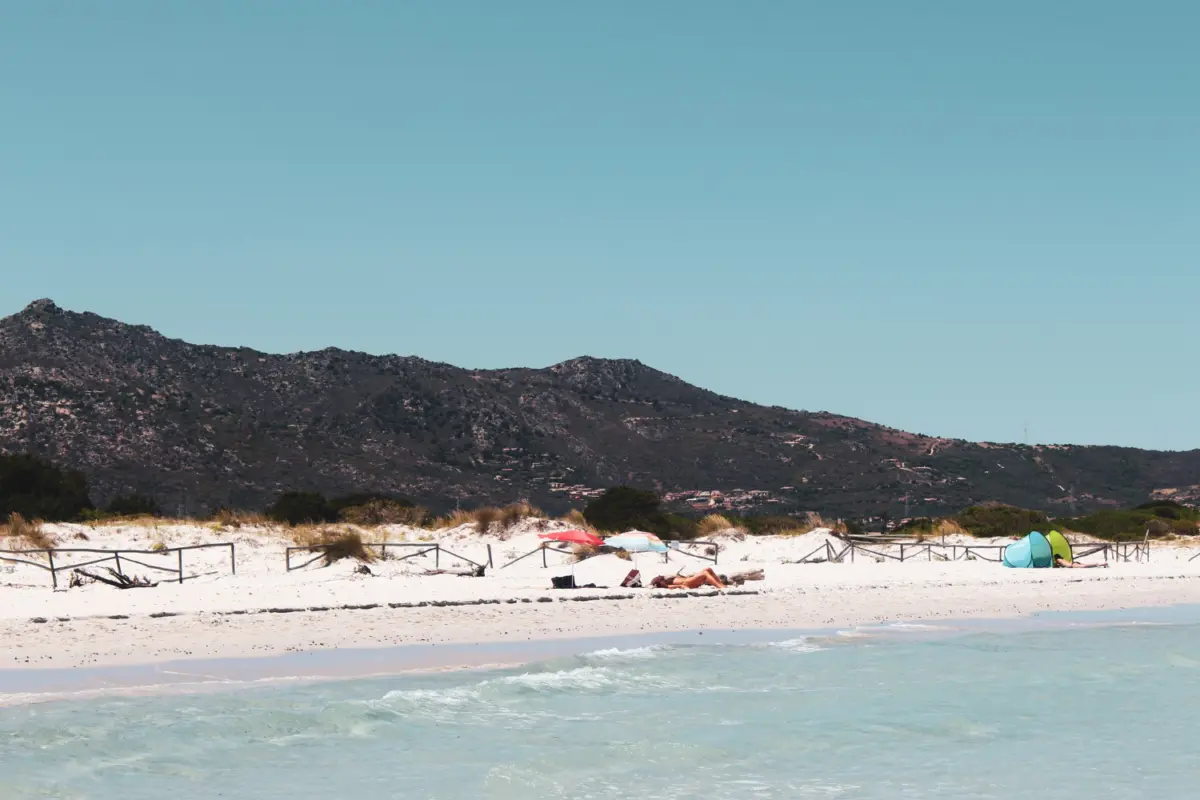
Ayn Razat offers another spectacular natural setting with its freshwater springs and terraced gardens. This tranquil oasis provides perfect picnic spots surrounded by palm trees and cool mountain air. Consider booking guided tours to these locations to gain deeper insights into their ecological significance and historical importance.
Al Mughsail Beach and its blowholes create dramatic natural spectacles when waves crash against the rocky coastline. The thunderous sound and impressive water spouts make this a photographer’s paradise during the winter months. Many travelers check availability for nearby accommodations to catch both sunrise and sunset at this remarkable location.
Salalah Nature Trips for Wildlife Enthusiasts
The Dhofar region surrounding Salalah hosts remarkable biodiversity that European nature lovers will appreciate. Arabian leopards, though extremely rare, still inhabit the remote mountain areas along with Arabian gazelles, foxes, and numerous bird species. Organized wildlife safaris offer the best chance to spot these elusive creatures in their natural habitat.
Bird watching becomes particularly rewarding during the November to March period. Migratory species join resident birds, creating diverse ecosystems around Salalah’s wetlands and coastal areas. Bring quality binoculars and consider joining specialized compare guided birding tours for the most fulfilling experience.
Marine life exploration should feature prominently in any nature-focused itinerary. Dolphin watching tours operate throughout the winter season, offering high chances of encountering spinner dolphins, bottlenose dolphins, and occasionally whales. The Arabian Sea’s warm waters support rich marine ecosystems that remain accessible even during winter months.
Wadi Adventures on Salalah Nature Trips
Exploring Salalah’s wadis (dry riverbeds) provides some of the most authentic nature experiences in Oman. Wadi Dawkah, a UNESCO World Heritage site, preserves ancient frankincense trees that have defined the region’s cultural and economic history. Walking through this open-air botanical garden connects visitors to centuries of Omani heritage.
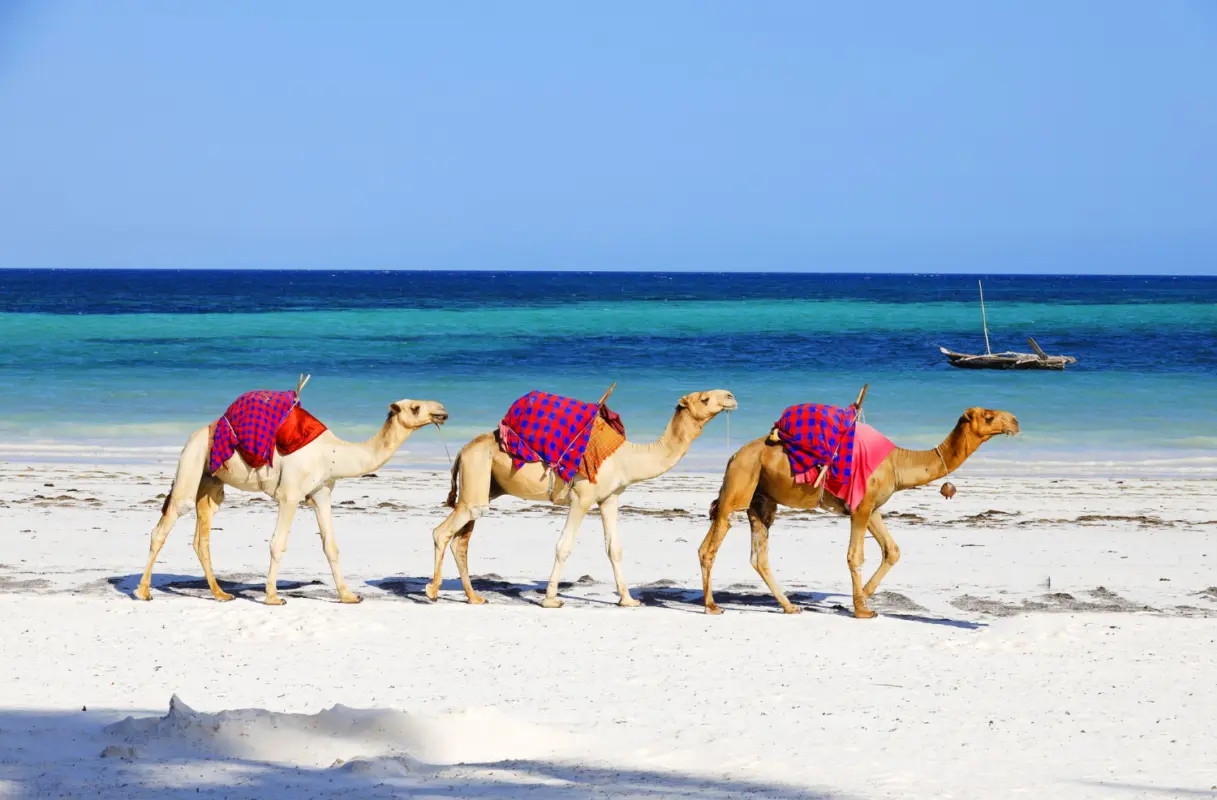
Wadi Ayun surprises travelers with its series of natural pools nestled between dramatic limestone formations. The contrast between crystal clear waters and stark mountain backdrops creates picture-perfect scenery. Comfortable hiking shoes are essential as paths can be uneven and occasionally slippery.
For more adventurous explorers, Wadi Shuwaymiyah offers remote landscapes and untouched natural beauty. This less-visited wadi requires more preparation but rewards visitors with solitude and authentic wilderness experiences. check availability for 4×4 vehicles when planning this excursion, as regular cars cannot navigate the terrain.
Planning Your Salalah Nature Excursions
When organizing salalah nature trips, consider allocating at least 3-5 days to fully appreciate the region’s diverse ecosystems. The winter season between November and March offers ideal weather conditions with temperatures typically ranging from 20-28°C. This comfortable climate allows for extended outdoor activities without the extreme heat of summer months.
Transportation options range from guided tours to self-drive adventures. Renting a 4×4 vehicle provides maximum flexibility for exploring remote natural areas at your own pace. However, first-time visitors might benefit from local expertise through Salalah Nature Trips: Your Gateway To Salalah’s Beauty organized tours that handle logistics while sharing cultural context.
Packing appropriately enhances your nature exploration experience. Lightweight, breathable clothing works well for daytime activities, while a light jacket might be necessary for evenings, especially in mountain areas. Sturdy walking shoes, sun protection, and sufficient water are essential for all salalah nature trips.
Sustainable Tourism on Salalah Nature Trips
Responsible travel practices help preserve Salalah’s natural beauty for future generations. Choose tour operators committed to environmental conservation and supporting local communities. Many reputable companies limit group sizes and follow strict no-trace policies during wilderness excursions.
Water conservation remains important despite visiting during the greener season. Salalah’s ecosystem is fragile, balancing between desert and seasonal abundance. Respect water sources by avoiding contamination with soaps or other chemicals, particularly in natural pools and wadis.
Wildlife interaction should always prioritize animal welfare and natural behavior. Maintain appropriate distances from wild animals and never feed them. Responsible salalah nature trips observe without disturbing, ensuring these remarkable creatures remain wild and their habitats intact.
Cultural Aspects of Salalah’s Natural Heritage
The natural landscape around Salalah has shaped local traditions for millennia. Frankincense harvesting continues using ancient techniques, connecting present-day practices with historical trade routes. Visiting traditional frankincense souks complements your natural explorations with cultural context.
Local Dhofari communities maintain deep connections to seasonal rhythms and natural resources. Some tours incorporate visits to traditional villages where residents share knowledge about medicinal plants and sustainable living practices. These cultural exchanges enrich salalah nature trips with human stories behind the landscapes.
Archaeological sites throughout the region demonstrate how ancient civilizations interacted with Salalah’s environment. Al Baleed Archaeological Park combines natural beauty with historical significance, offering insights into maritime trading networks that once connected Oman to distant lands. The adjacent Museum of the Frankincense Land provides fascinating context for natural explorations.
Photography Tips for Salalah Nature Trips
Capturing Salalah’s natural beauty presents both opportunities and challenges for photographers. The soft morning light creates magical conditions at locations like Wadi Darbat and coastal areas. Plan to arrive at key natural attractions around sunrise for the most atmospheric images with fewer visitors.
Landscape photography benefits from wide-angle lenses that encompass Salalah’s dramatic mountain-meets-sea vistas. However, bring telephoto options for wildlife spotting and capturing distant details. Weather-sealed equipment offers protection against occasional rain and persistent coastal humidity.
Underwater photography opportunities abound for those bringing appropriate gear. The winter months offer good visibility for capturing marine life during snorkeling or diving excursions. Several specialized tour operators can guide photographers to optimal underwater locations during salalah nature trips.
Hidden Gems for Nature Enthusiasts
Beyond the well-known attractions, Salalah harbors lesser-visited natural wonders worth exploring. The Tawi Ateer sinkhole, often called the “Bird Well,” features a massive natural cavity surrounded by lush vegetation and bird habitats. This geological marvel remains relatively uncrowded even during peak travel months.
Coastal caves near Mirbat offer spectacular natural formations accessible during low tide. These secluded spots require local guidance to visit safely but reward adventurous travelers with pristine environments. Timing visits according to tidal schedules maximizes exploration opportunities.
Mountain plateaus above Salalah provide panoramic vistas across the entire region. Jabal Samhan’s viewpoints offer breathtaking perspectives where mountains, plains, and sea converge in a single frame. These higher elevations also feature distinct plant communities adapted to cooler temperatures and different rainfall patterns.
Conclusion
Salalah nature trips provide European travelers with extraordinary access to diverse ecosystems during the optimal winter season. From coastal wonders to mountain adventures, the region offers natural experiences that contrast dramatically with typical European landscapes. Thorough planning and responsible tourism practices ensure these journeys deliver meaningful connections with Oman’s natural heritage.
Whether seeking wildlife encounters, botanical discoveries, or simply peaceful immersion in unspoiled environments, Salalah delivers remarkable experiences between November and March. The combination of comfortable temperatures, lush landscapes, and rich biodiversity makes this the perfect season for nature exploration. Your salalah nature trips will yield memories and photographs that capture a truly distinctive corner of the Arabian Peninsula.
Frequently Asked Questions
When is the best time for salalah nature trips?
The optimal period is November through March when temperatures are pleasant (20-28°C), landscapes remain relatively green, and outdoor activities are comfortable throughout the day.
Do I need a guide for exploring nature around Salalah?
While independent exploration is possible, local guides enhance the experience with their knowledge of hidden locations, wildlife spotting techniques, and cultural context. They’re particularly valuable for first-time visitors.
Are salalah nature trips suitable for families with children?
Yes, many natural attractions are family-friendly, with options ranging from easy walks to more challenging adventures. Tour operators can recommend appropriate activities based on children’s ages and abilities.
What wildlife might I encounter during winter nature trips?
Common sightings include various bird species, dolphins, camels, and occasionally gazelles. While Arabian leopards exist in remote areas, they are extremely rare and seldom seen.
How physically demanding are nature excursions in Salalah?
Options range from relaxed scenic drives to moderate hikes. Most popular attractions offer accessible paths, while more remote locations might require reasonable fitness levels. Tour descriptions typically indicate physical requirements.