
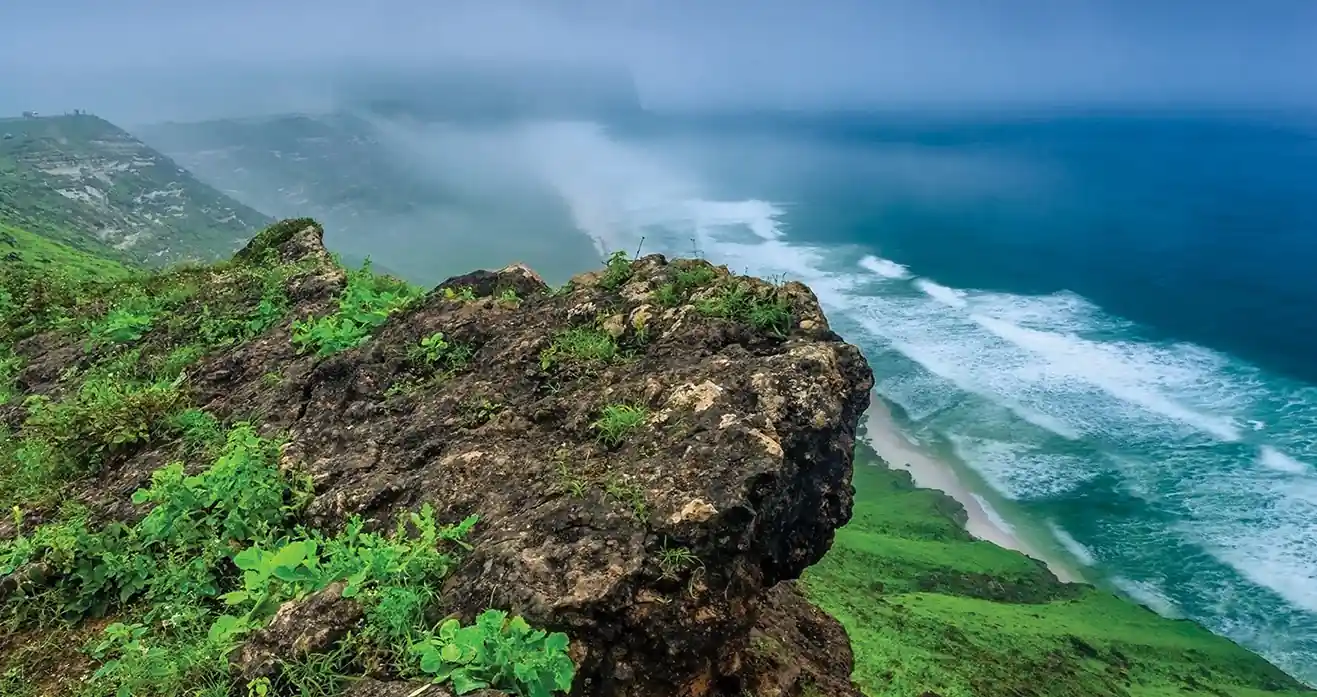
Things To Do In Salalah – 10 Perfect Activities For 2026 | Salalah Guide 2026
Things to do in Salalah during the winter months offer a refreshing escape from Europe’s cold climate. The coastal city in Oman presents a unique blend of natural beauty, cultural richness, and adventure opportunities for travelers seeking warmth between November and March. Things to do in salalah this Arabian destination range from exploring lush wadis to discovering ancient archaeological sites.
Top Winter Activities in Salalah for European Visitors
Winter in Salalah brings pleasant temperatures averaging 25-30°C during the day, making it ideal for outdoor exploration. The region’s microclimate differs significantly from the rest of Oman, offering a refreshing alternative to the typical desert environment. European travelers will appreciate the mild weather while escaping their homeland’s freezing conditions.
Between November and March, Salalah transforms into a haven for nature enthusiasts and cultural explorers alike. This period falls outside the famous Khareef (monsoon) season, meaning fewer tourists and more authentic experiences. Salalah In Winter: Top Places & Things To Do In Salalah Oman offers a perfect blend of relaxation and adventure for those seeking to escape Europe’s winter chill.
Things To Do In Al Mughsail Beach and Blowholes
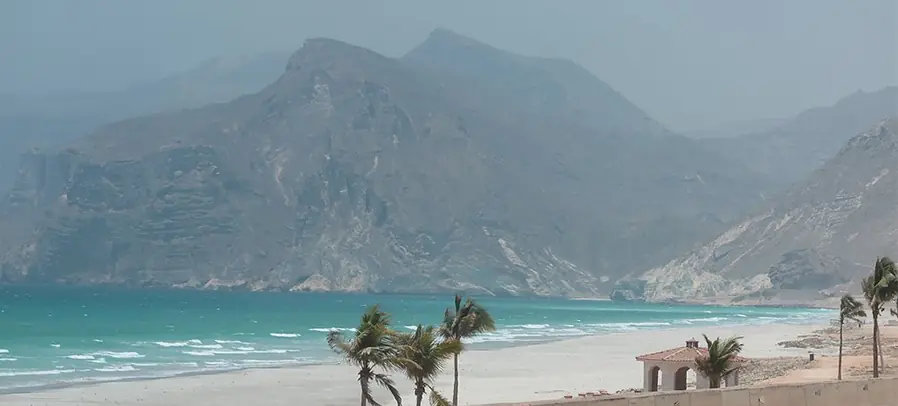
Al Mughsail Beach stands as one of Salalah’s most spectacular coastal attractions with its pristine white sands stretching alongside turquoise waters. The natural limestone blowholes nearby create impressive water geysers when waves crash against the rocks during high tide. This natural phenomenon offers excellent photography opportunities for visitors.
Winter months provide ideal conditions for enjoying this beach, with comfortable temperatures perfect for swimming and sunbathing. The surrounding mountains create a dramatic backdrop to this coastal paradise. Visitors can enjoy beachside cafes or bring a picnic to savor the spectacular scenery while watching local fishermen at work.
Exploring the Ancient Ruins of Sumhuram
The archaeological site of Sumhuram offers a fascinating glimpse into Salalah’s ancient past. Once a thriving port city controlling the frankincense trade, these ruins date back to the 3rd century BC. History enthusiasts will appreciate wandering through the ancient stone structures while learning about this crucial outpost of the incense route.
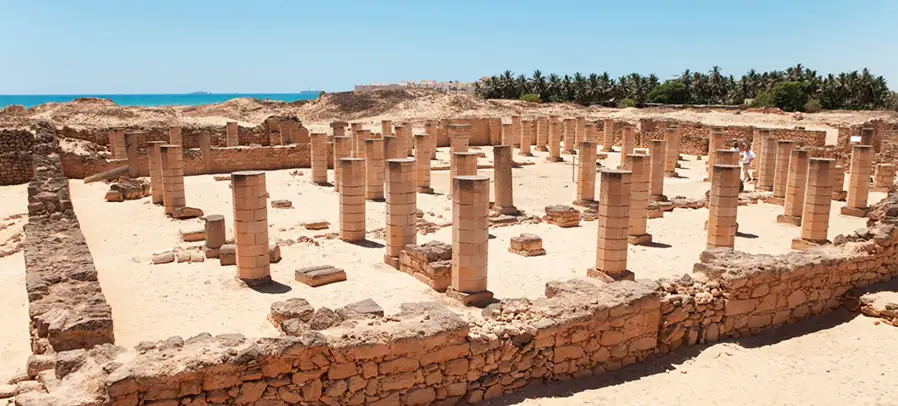
The site’s museum provides context through informative displays about the area’s historical significance. Winter offers comfortable temperatures for exploring these exposed ruins without the scorching heat of summer. Consider visiting early morning for the best light for photography and to avoid any tour groups that might arrive later in the day.
Visiting the Sultan Qaboos Mosque
The Sultan Qaboos Mosque represents modern Omani architecture at its finest, featuring intricate Islamic designs and impressive craftsmanship. As Salalah’s largest mosque, it accommodates over 3,000 worshippers and welcomes non-Muslim visitors during specific hours. The interior showcases beautiful chandeliers, hand-woven carpets, and elaborate woodwork.
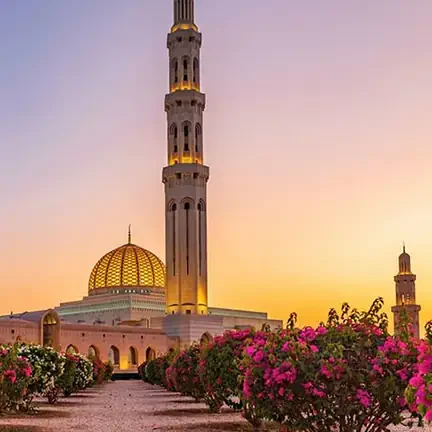
Women should bring a scarf to cover their hair and wear modest clothing that covers shoulders and knees. Men should also dress respectfully in long pants and sleeved shirts. Early morning visits provide the best lighting for appreciating the mosque’s architectural details and for photography enthusiasts to capture its beauty.
Wadi Darbat Natural Park Experience
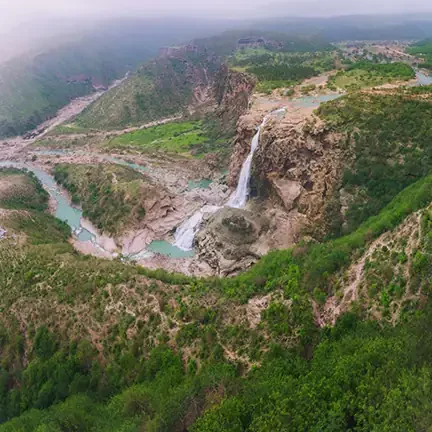
Wadi Darbat stands as one of Salalah’s natural wonders, featuring a seasonal waterfall, lush vegetation, and limestone cliffs. During winter, the waterfall may not be at full force, but the valley remains verdant and beautiful for hiking and picnicking. The wadi’s natural limestone caves and rock formations create an otherworldly landscape worth exploring.
Boat rides on the wadi’s natural lake offer a different perspective of this scenic location. Wildlife enthusiasts might spot various bird species and occasionally camels or cattle grazing nearby. Consider hiring a local guide who can explain the ecosystem and point out hidden features that casual visitors might miss.
Salalah’s Traditional Markets and Souks
Al Husn Souk (also known as the Al Hafah Souq) provides an authentic shopping experience with stalls selling frankincense, traditional Omani crafts, and local delicacies. The market’s narrow alleyways filled with aromatic spices and incense create an immersive cultural experience. Visitors can watch artisans craft traditional Omani items and practice their bargaining skills.
The frankincense sold here ranks among the world’s finest, making it an ideal souvenir or gift. Shop owners often offer samples of different grades and varieties, explaining their various uses and properties. The early evening hours bring a lively atmosphere as locals finish their workday and come to shop, creating the perfect time to check availability for authentic cultural experiences.
Frankincense Land Museum and Al Baleed Archaeological Park
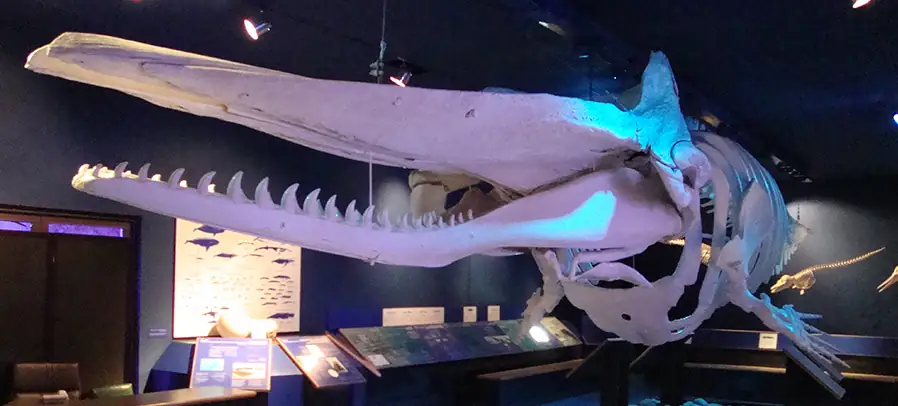
The Museum of the Frankincense Land documents Oman’s maritime history and the frankincense trade that brought wealth to the region. Located within Al Baleed Archaeological Park, this modern museum houses artifacts spanning thousands of years of local history. The adjacent archaeological site contains ruins of the ancient port city of Al Baleed, which visitors can explore via walking paths.
Golf carts are available for those who prefer not to walk the extensive grounds. The museum’s well-designed exhibits include interactive displays and informative videos about Oman’s role in ancient trade routes. Winter months provide ideal weather conditions for exploring both the indoor museum and outdoor archaeological site, making it worth your time to compare this with other cultural attractions.
Bird Watching at East Khawr Nature Reserve
East Khawr Nature Reserve attracts bird enthusiasts with its diverse avian population, especially during the winter migration season. This coastal lagoon provides habitat for flamingos, herons, egrets, and numerous other species. Early morning visits offer the best opportunity to observe birds in their natural environment without disturbance.
Binoculars and a telephoto camera lens will enhance the bird-watching experience. The reserve features several observation points where visitors can quietly watch birds feeding in the shallow waters. Local guides can help identify the various species and explain their migration patterns and behaviors.
Ayn Razat Garden and Springs
Ayn Razat offers a serene escape with its natural springs and lush gardens nestled among the mountains. The natural spring water creates small pools and streams that nurture the surrounding greenery. This oasis provides a refreshing contrast to the arid landscapes found elsewhere in Oman.
Picnic facilities make this an ideal spot for a relaxing afternoon in nature. The terraced gardens include various fruit trees and flowering plants that thrive in the microclimate. Weekdays typically see fewer visitors, offering a more peaceful experience for those seeking tranquility.
Coastal Drive Along Salalah’s Beaches
A coastal drive along Salalah’s shores reveals diverse landscapes, from rocky cliffs to golden sandy beaches. Renting a car provides the freedom to explore at your own pace, stopping at viewpoints and hidden beaches along the route. The road from Al Mughsail to Fazayah Beach offers particularly spectacular views of the Arabian Sea.
The winter months bring calm seas with vibrant blue hues that contrast beautifully with the white sand beaches. Several roadside cafes offer fresh coconut water and local snacks perfect for refueling during your journey. For convenience and flexibility, many travelers check availability of rental cars in advance to ensure they can experience this scenic drive.
Conclusion: Making the Most of Salalah’s Winter Season
Salalah offers European travelers a perfect winter escape with its mild climate and diverse attractions. The period from November to March provides ideal conditions for exploring everything from ancient ruins to natural wonders without the crowds of high season. Things to do in Salalah during winter months suit various interests, whether you seek adventure, cultural immersion, or simply relaxation on beautiful beaches.
Planning a 5-7 day itinerary allows sufficient time to experience Salalah’s highlights without rushing. Consider basing yourself in the city center for easy access to restaurants and markets, while using day trips to explore outlying attractions. With its unique blend of natural beauty, rich heritage, and warm hospitality, Salalah deserves a prominent place on any winter travel itinerary for 2026.
Frequently Asked Questions
What is the best time to visit Salalah between November and March?
January and February offer the most pleasant temperatures, typically ranging from 20-28°C, with minimal rainfall and clear skies perfect for sightseeing and outdoor activities.
Is it safe for European travelers to visit Salalah?
Yes, Salalah is considered very safe for tourists with low crime rates, friendly locals, and good infrastructure. Standard travel precautions apply as they would in any destination.
Do I need a visa to visit Salalah as a European citizen?
Most European citizens can obtain a tourist visa on arrival or apply online through Oman’s e-visa system. Visa regulations may change, so check the latest requirements before traveling.
What should I wear when visiting Salalah?
Lightweight, modest clothing is recommended. Women should cover shoulders and knees in public areas. For mosques, women need to cover their hair, and both men and women should wear long sleeves and pants.
How many days do I need to explore Salalah properly?
A minimum of 4-5 days allows you to experience the main attractions. For a more relaxed pace and to include day trips to surrounding areas, 7-10 days would be ideal.