

Salalah Itinerary Without Car: Complete Guide for Car-Free Travel
Planning a Salalah itinerary without car transportation might seem challenging at first, but it’s entirely possible to explore this beautiful Omani destination without your own vehicle. As the monsoon transforms the landscape from November to March, many European travelers seek ways to discover Salalah’s attractions using alternative transportation options. Salalah itinerary without car planning requires some additional preparation, but offers unique advantages for those who prefer not to drive in an unfamiliar country.
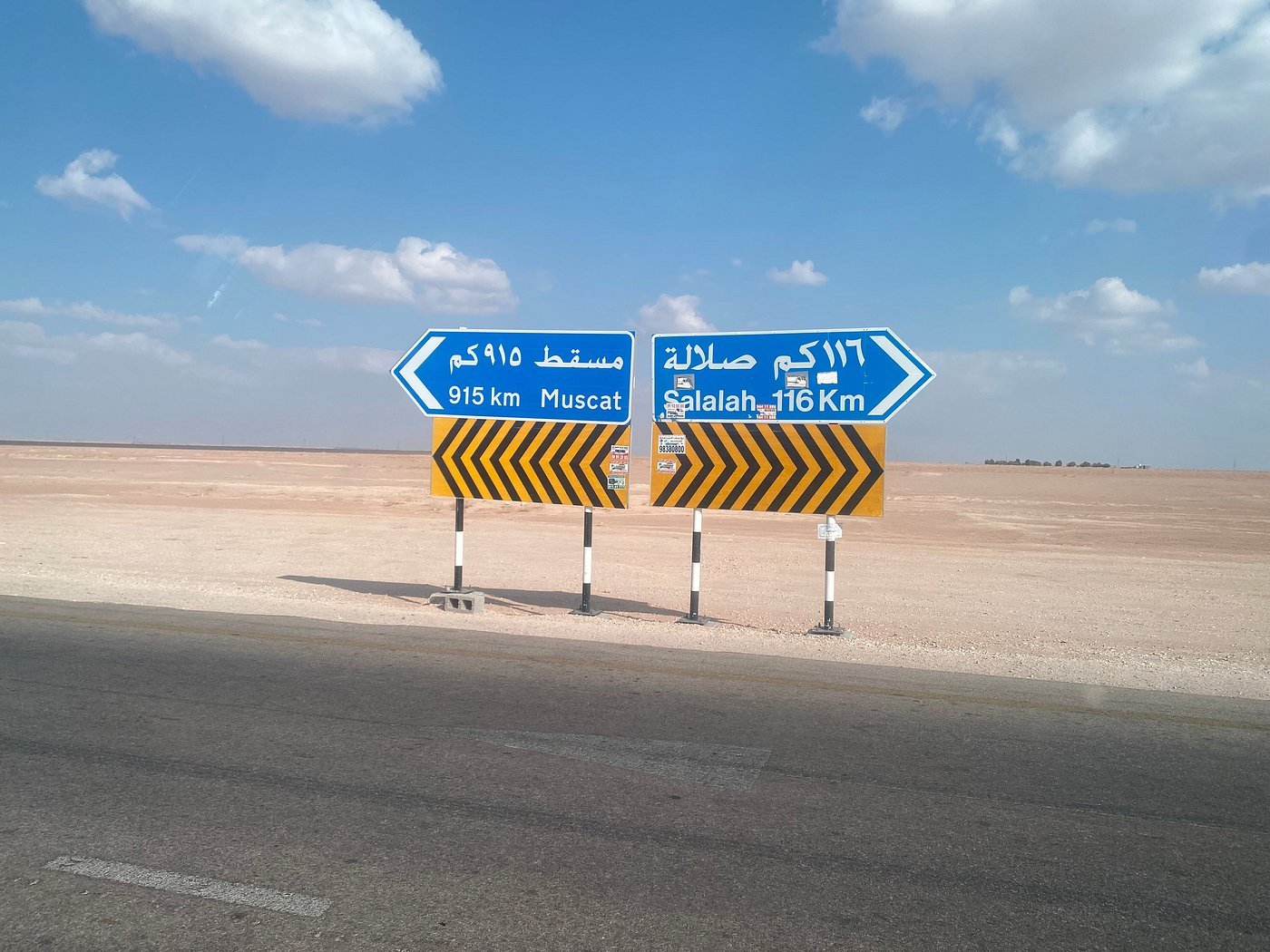
What to Know About Car-Free Salalah Exploration
Exploring Salalah without a car means relying on a combination of taxis, guided tours, and occasional public transportation. During the winter months of November to March, when European visitors most commonly arrive, the weather is pleasant and ideal for sightseeing with daytime temperatures typically ranging from 25-30°C.
The primary challenge of a Salalah itinerary without car rental is that some of the region’s most stunning natural attractions are located outside the city center. However, this shouldn’t discourage you from visiting. Salalah itinerary by public transport options exist alongside affordable taxi services and organized tours that make car-free exploration practical.
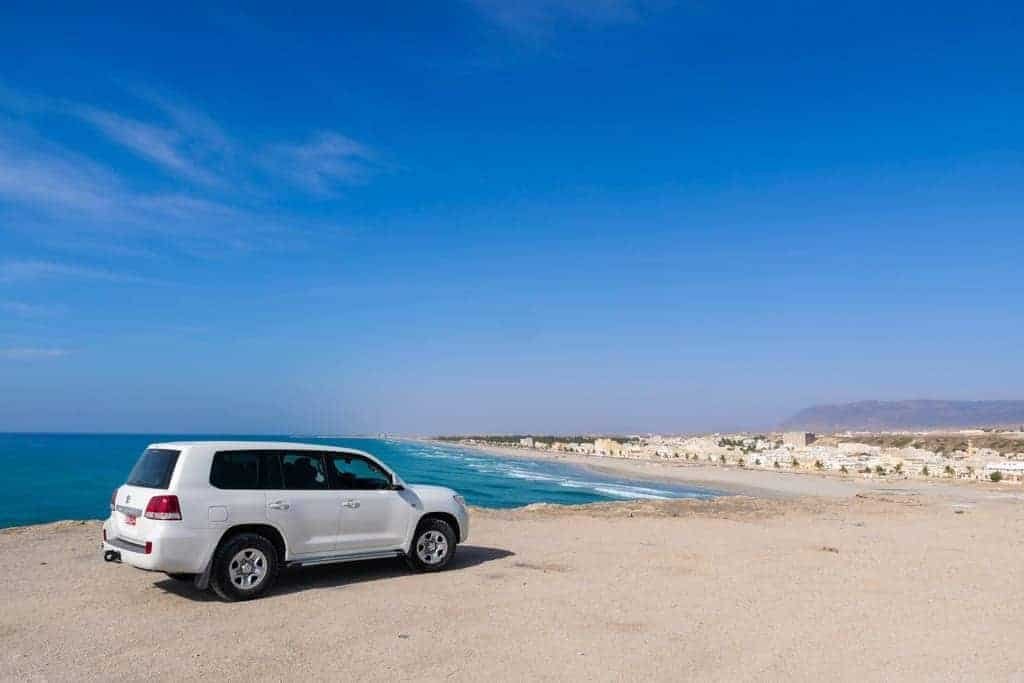
The city center itself is relatively compact, with key attractions like Al Husn Souk (the old market) and Sultan Qaboos Mosque within walking distance of many hotels. For longer journeys to beaches, waterfalls, and mountain sites, you’ll need to arrange alternative transportation.
Many European travelers actually prefer exploring without a car as it eliminates concerns about driving regulations, unfamiliar roads, and parking logistics. It also allows you to focus entirely on the scenery rather than navigation.
Practical Transportation Options for Your Salalah Itinerary Without Car
When planning your Salalah itinerary without personal transportation, you’ll need to become familiar with the available options. Each has advantages depending on your destination and budget constraints.
Taxis are the most flexible option and widely available throughout Salalah. They’re relatively affordable by European standards, especially if you negotiate the price before departure. For added convenience, you can often arrange with a driver to wait while you explore a destination and then return you to your hotel. Many hotels can help arrange reliable taxi services with English-speaking drivers.
Organized tours represent perhaps the most convenient option for those without a car. Several reputable companies offer half-day and full-day excursions to popular attractions around Salalah. These typically include transportation in comfortable air-conditioned vehicles, an English-speaking guide, and visits to multiple sites. Compare tour options that combine popular destinations like Al Mughsail Beach, Wadi Darbat, and the ancient ruins of Sumhuram in one convenient package.
Public buses in Salalah are limited but do connect the city center with some beaches and neighborhoods. They’re extremely inexpensive but run on inconsistent schedules and may not reach many tourist attractions. Some hotels offer courtesy shuttles to popular beaches or the city center, which can be useful for part of your itinerary.
Walking is viable for exploring central Salalah, including the souks, museums, and Sultan Qaboos Grand Mosque. The flat terrain and relatively compact center make walking pleasant during the cooler winter months from November to March.
3-Day Salalah Itinerary Without Car: Sample Plan
Here’s a practical three-day Salalah itinerary without car transportation that maximizes your experience while using alternative transport methods:
Day 1: Begin with central Salalah exploration on foot. Visit Al Husn Souk in the morning to shop for frankincense, traditional Omani clothing, and souvenirs. Continue to the Sultan Qaboos Grand Mosque (remember modest dress is required). After lunch at a local restaurant, take a taxi to Al Baleed Archaeological Park and Museum of the Frankincense Land, which showcases Salalah’s rich trading history. End your day with a relaxing visit to Al Mughsail Beach by taxi, where you can witness the spectacular blowholes if sea conditions are right.
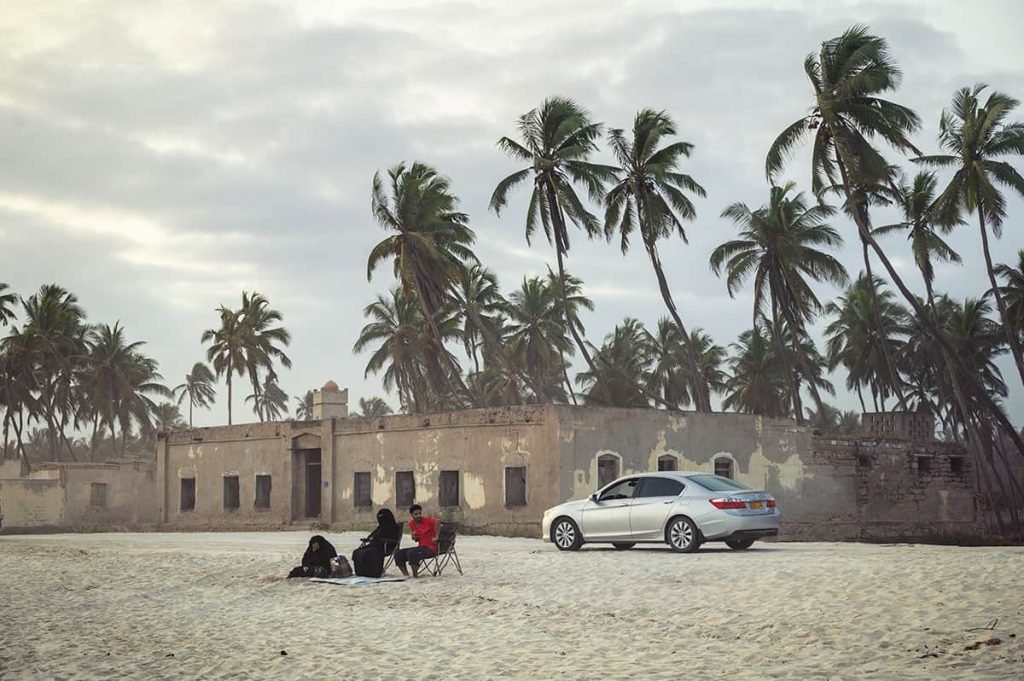
Day 2: Book a guided east Salalah tour that typically covers Wadi Darbat, Taqah Castle, and the ancient port city of Sumhuram. These organized tours solve the transportation problem and provide valuable historical context through knowledgeable guides. Most tours include hotel pickup and drop-off, making them exceptionally convenient for travelers without cars. The lush landscapes of Wadi Darbat are particularly stunning during the winter months when seasonal waterfalls may be flowing.
Day 3: Arrange a taxi for a customized western route exploration. Visit the pristine Fazayah Beach, continue to Marnif Cave, and end at the magnificent Ayn Razat springs and gardens. Negotiate with your driver to wait at each location, allowing sufficient time to explore these natural wonders. Alternatively, check availability for hotels that offer their own excursions, as many resorts organize day trips for guests without personal transportation.
Common Mistakes When Planning a Salalah Itinerary Without Car
Many European travelers make avoidable errors when planning a car-free visit to Salalah. Being aware of these potential pitfalls will improve your experience significantly.
Underestimating distances is perhaps the most common mistake. While Salalah’s city center is walkable, attractions like Wadi Darbat, Mughsail Beach, and Job’s Tomb are considerable distances apart. Without proper planning, you might spend too much time in transit or miss key sites entirely.
Failing to pre-arrange transportation can lead to frustration. During busy tourist periods, especially between November and March, taxis and tours can be fully booked. Arrange your transportation at least a day in advance, particularly for longer excursions outside the city.
Not negotiating taxi fares before departure often results in paying significantly more than necessary. Always agree on a price before getting into the taxi, and clarify whether the driver will wait for you at destinations or if you’ll need to find new transportation for the return journey.
Over-scheduling your itinerary is a common error when relying on public transportation or taxis. Build in buffer time for transportation delays, extended waits, or unexpected circumstances. A realistic Salalah itinerary without car transportation should include fewer destinations per day than a self-drive itinerary would.
Neglecting to book accommodation with transportation benefits is a missed opportunity. Some hotels offer complimentary shuttle services to beaches, shopping areas, or popular attractions. These services can significantly enhance your car-free experience, so research hotel amenities carefully before booking.
Helpful Planning Advice for a Salalah Itinerary by Public Transport
Creating an efficient Salalah itinerary by public transport requires strategic planning. Consider grouping attractions by their geographic proximity to minimize transit time and costs. For example, combine visits to Al Baleed Archaeological Park, the Museum of the Frankincense Land, and Al Husn Souk in a single day as they’re relatively close to each other.
Booking a hotel in central Salalah provides a significant advantage for car-free travelers. From central accommodations, you can walk to numerous restaurants, shops, and some attractions while having better access to taxis and any available public transportation.
Hiring a driver for full-day excursions often costs less than taking separate taxis to multiple destinations. Many local drivers are willing to serve as informal guides, waiting while you explore each site and offering local insights that enhance your experience. Your hotel concierge can typically recommend reliable drivers who speak English.
Consider joining small group tours to share transportation costs with other travelers. These tours often use minivans that can access areas larger buses cannot reach and provide a more personalized experience than larger commercial tours.
Download offline maps and translation apps before your trip, as they can prove invaluable when communicating with drivers or finding your way around Salalah without cellular data. Google Maps allows you to download the Salalah region for offline use, which can help orient yourself even without an active internet connection.
Is a Salalah Itinerary Without Car Worth It for European Visitors?
Many European travelers wonder if visiting Salalah without renting a car is truly viable. The answer is a definitive yes, though it requires slightly more planning than a self-drive holiday. The benefits often outweigh any inconvenience, particularly for those who prefer not to drive in unfamiliar territory.
The advantages of a car-free Salalah experience include freedom from navigation stress, no concerns about local driving rules or road conditions, and the ability to fully appreciate the scenery rather than focusing on driving. Additionally, guided tours provide cultural and historical context that self-driving visitors might miss.
The primary trade-offs include less spontaneity in your schedule, potential waiting times for transportation, and slightly higher costs compared to self-driving (though this can be offset by not paying for fuel and parking). For most European visitors traveling between November and March, these compromises are acceptable given the benefits of stress-free exploration.
The increasing availability of reliable tour operators and taxi services makes Salalah increasingly accessible to car-free travelers. With proper planning, you can experience all of Salalah’s major attractions without ever getting behind the wheel.
Conclusion
Creating a successful Salalah itinerary without car rental is entirely achievable with thoughtful planning and an understanding of local transportation options. By strategically combining walking tours of central attractions with taxis, organized excursions, and occasional public transportation, you can experience the full beauty of this Omani paradise during the pleasant winter months from November to March.
European travelers will find that exploring Salalah without a car offers unique benefits, including stress-free travel, local insights from drivers and guides, and the ability to fully appreciate the stunning landscapes without navigation worries. The key to success lies in realistic scheduling, advance transportation arrangements, and strategic accommodation choices.
Whether you’re wandering through fragrant souks, marveling at lush wadis, or relaxing on pristine beaches, a Salalah itinerary by public transport and organized tours provides a rich, immersive experience that rivals any self-drive holiday. With these insights and recommendations, you’re well-equipped to plan an unforgettable car-free journey through one of Oman’s most captivating destinations.
FAQ About Salalah Itinerary Without Car
How much should I budget for taxis in Salalah?
For short trips within Salalah city, expect to pay 2-5 OMR (approximately 5-12 EUR). For longer journeys to attractions like Wadi Darbat or Al Mughsail Beach, prices range from 15-25 OMR (35-60 EUR) for a round trip with waiting time. Negotiating and agreeing on prices beforehand is essential.
Are there reliable public buses in Salalah?
Public bus service in Salalah is limited and primarily serves local residents rather than tourists. While inexpensive, buses run on inconsistent schedules and don’t reach many tourist attractions. They’re useful for certain routes but not reliable for a comprehensive itinerary.
How far in advance should I book guided tours in Salalah?
During the peak season (November to March), it’s advisable to book guided tours at least 3-5 days in advance. For weekend tours or during holiday periods, booking a week ahead ensures availability. Last-minute bookings are sometimes possible but limit your options.
Can I walk between major attractions in Salalah?
Central Salalah attractions like Al Husn Souk, Sultan Qaboos Mosque, and nearby restaurants are within walking distance of each other. However, natural attractions such as beaches, wadis, and mountains require transportation as they’re located 15-40 km from the city center.
Is it possible to visit the Frankincense Trail sites without a car?
Yes, the UNESCO-listed Frankincense Trail sites, including Al Baleed Archaeological Park and Sumhuram, can be visited via organized tours or by arranging taxi service. Many tour operators offer specific “Frankincense Trail” itineraries that cover all key historical sites.