
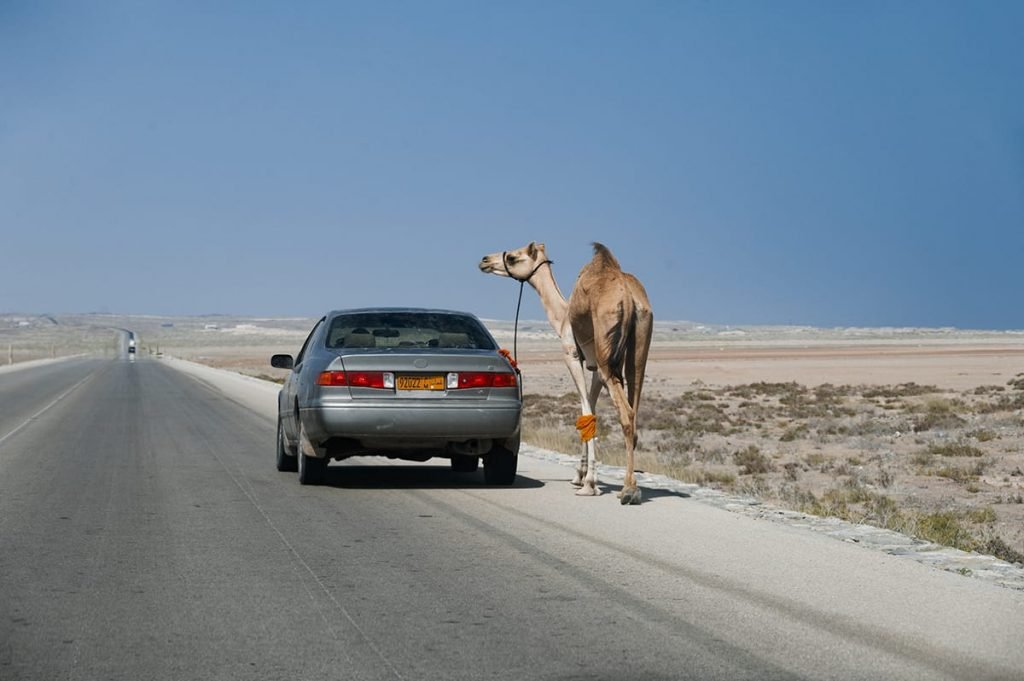
Dhofar Road Trip Itinerary Winter: The Ultimate 7-Day Adventure
Dhofar road trip itinerary winter adventures offer travelers a unique opportunity to explore Oman’s southern region during its most comfortable season. From November to March, the Dhofar Governorate transforms into a pleasant retreat with mild temperatures and stunning landscapes. If you’re planning to visit this captivating region, a well-planned Dhofar road trip itinerary winter can help you experience the best this area has to offer when crowds are fewer and prices are more reasonable.
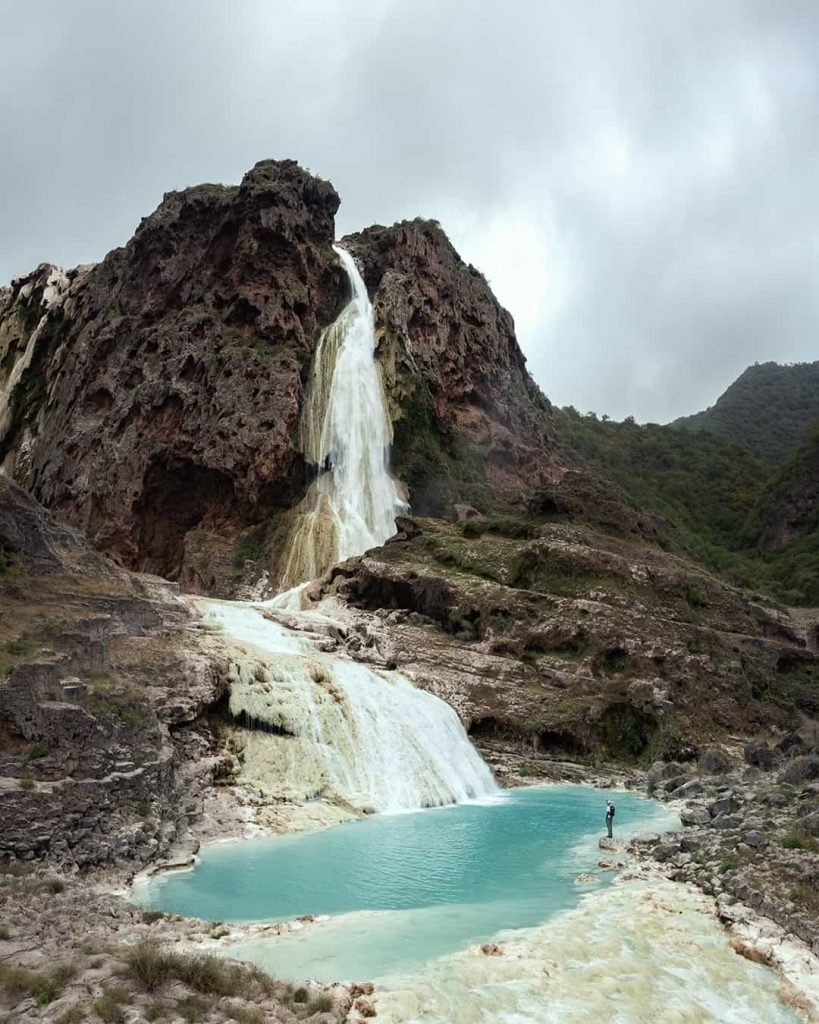
Winter in Dhofar provides the perfect backdrop for exploration with temperatures typically ranging between 18-25°C (65-77°F), creating ideal conditions for outdoor activities. The seasonal winds bring clear skies, making it excellent for photography and sightseeing across the varied terrain of mountains, wadis, and coastal areas.
This comprehensive guide will walk you through a perfect 7-day winter road trip through Dhofar, helping you discover hidden gems, must-visit attractions, and practical tips to make your journey memorable and stress-free.
Why Winter Is Perfect for a Dhofar Road Trip
Winter months (November to March) represent the optimal time to embark on a Dhofar road trip for several compelling reasons. The region experiences mild, pleasant weather with none of the intense summer heat that can make exploration uncomfortable. Daytime temperatures hover around a comfortable 23-25°C (73-77°F), while evenings cool down to approximately 18-20°C (64-68°F)—perfect for outdoor activities.
Additionally, winter brings clearer visibility across Dhofar’s diverse landscapes. The absence of summer haze means panoramic mountain views, coastal scenery, and desert vistas appear more vibrant and photograph beautifully. The favorable Dhofar winter road trip tips from experienced travelers often highlight how the season’s moderate climate creates ideal conditions for hiking, swimming, and exploring archaeological sites without the discomfort of extreme temperatures.
Winter also coincides with lower tourist numbers compared to the popular Khareef (monsoon) season, meaning you’ll encounter fewer crowds at major attractions. This translates to more peaceful experiences at popular spots like Wadi Darbat and Mughsail Beach, plus better availability and sometimes lower rates for accommodations throughout the region.
Essential Preparation for Your Winter Road Trip
Before embarking on your Dhofar winter adventure, proper preparation will ensure a smooth journey. First, secure a reliable 4WD vehicle, especially if you plan to venture beyond paved roads to reach remote beaches, mountain viewpoints, or desert areas. While main highways are excellently maintained, accessing many of Dhofar’s natural wonders requires off-road capability.
Pack appropriate clothing for winter in Dhofar. Days are pleasantly warm, but evenings can become cool, particularly in mountainous areas where temperatures can drop significantly after sunset. Layering options including light jackets and sweaters are advisable. Don’t forget sun protection (hats, sunscreen, sunglasses) as the winter sun remains strong, especially at higher elevations and near water.
Navigation tools are essential—download offline maps through Google Maps or specialized navigation apps like Maps.me or Waze before your journey. Cell service can be intermittent in remote areas, so having offline capabilities is crucial. Consider bringing a power bank for phone charging, especially during full-day excursions.
Finally, stock your vehicle with essentials: plenty of water (at least 2 liters per person per day), snacks, basic first aid supplies, and a spare tire in good condition. Fuel stations are available in Salalah and larger towns, but become scarce in remote areas—always top up when the opportunity presents itself.
Day 1-2: Salalah City and Surroundings
Begin your Dhofar winter road trip with two days exploring Salalah city and its immediate surroundings. Start your first morning at Al Husn Souq (Salalah Souq), where local vendors sell authentic Omani products including frankincense, traditional textiles, and handicrafts. The morning hours provide the best atmosphere as locals go about their shopping.
Visit the Sultan Qaboos Mosque with its striking Islamic architecture before heading to the Archaeological Park and Al Baleed Museum. This UNESCO World Heritage site showcases the ancient frankincense trade that once made this region prosperous. The museum offers excellent context for understanding Dhofar’s historical significance.
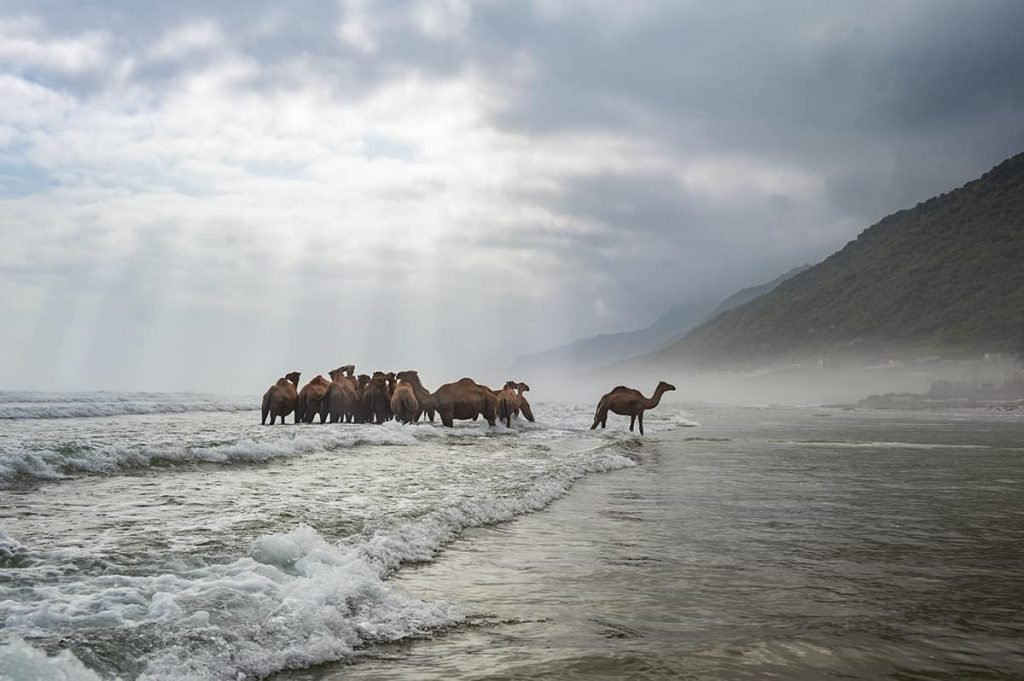
For lunch, sample fresh seafood at one of the restaurants along Dahariz Beach before spending your afternoon exploring the Museum of the Frankincense Land. As evening approaches, take a relaxing stroll along Al Mughsail Beach to witness spectacular sunset views and possibly see the famous blowholes in action if tide conditions are favorable.
On your second day, venture slightly farther to Ayn Razat, a natural spring and garden area just 25 kilometers from Salalah. The lush vegetation creates a striking contrast with the surrounding landscape. Continue to Wadi Darbat, one of Dhofar’s most picturesque locations, featuring a seasonal waterfall, limestone cliffs, and opportunities for boat rides on the small lake. Winter brings fewer visitors, allowing you to enjoy the tranquility of this natural wonder without crowds.
Day 3-4: Eastern Dhofar Exploration
Devote the next segment of your itinerary to discovering eastern Dhofar’s treasures. Begin early on day three with a drive to Taqah, a coastal town approximately 33 kilometers east of Salalah. Explore Taqah Castle, a restored fortification that offers insights into traditional Omani architecture and lifestyle. The castle museum displays artifacts and exhibits that illustrate the region’s history and culture.
Continue eastward to Mirbat, a historic town with a rich maritime heritage. Visit the old merchant houses featuring intricate wooden doors and traditional Omani architectural elements. The ancient port played a significant role in the frankincense trade and was the site of the famous Battle of Mirbat during the Dhofar Rebellion.
Spend your afternoon at Wadi Hinna, where clear pools offer a refreshing swimming opportunity during winter months. The wadi features dramatic rock formations and occasional wildlife sightings, making it a perfect spot for nature enthusiasts and photographers.
On day four, venture further east to Hasik, appreciating the dramatic coastal road that hugs the mountains and offers breathtaking views of the Arabian Sea. This journey showcases some of Dhofar’s most impressive landscapes, with mountains plunging directly into the sea. Stop at viewpoints along the way for photographs and to appreciate the rugged beauty. Near Hasik, explore secluded beaches and witness traditional fishing practices that have remained largely unchanged for generations.
| Experience | Duration | Best For | Book |
|---|---|---|---|
| Wadi Darbat Tour | 4h | Nature Lovers | Check Price |
| Ayn Razat Experience | 3h | Families | Check Price |
| Mughsail Beach Tour | 5h | Relaxation | Check Price |
| Frankincense Land Tour | 3h | Culture Seekers | Check Price |
| Desert Sunset Safari | 5h | Adventure | Check Price |
| Mirbat Historical Tour | 4h | History Lovers | Check Price |
| Jabal Samhan Viewpoints | 6h | Photography | Check Price |
| City Highlights Tour | 3h | First Timers | Check Price |
| Hidden Waterfalls Trip | 6h | Explorers | Check Price |
Day 5-6: Western Dhofar Adventures
The western region of Dhofar offers distinctly different landscapes and experiences. Begin day five by heading west from Salalah to Al Mughsail Beach, known for its dramatic blowholes that shoot seawater high into the air during certain tide conditions. Winter often provides excellent opportunities to witness this natural phenomenon. Take time to walk along the pristine white sand beach and enjoy the rugged coastal scenery.
Continue your journey to Fazayah Beach, one of Dhofar’s hidden gems accessible only by 4WD vehicles. This secluded stretch of coastline features crystal-clear waters and untouched beaches where you might be the only visitors. The challenging access ensures it remains pristine and uncrowded, even during peak tourist seasons.
Spend your afternoon exploring the mountain roads that wind through western Dhofar, offering panoramic views of the coastline below. These routes are particularly scenic during winter when visibility is excellent and the landscape colors are vibrant against clear blue skies.
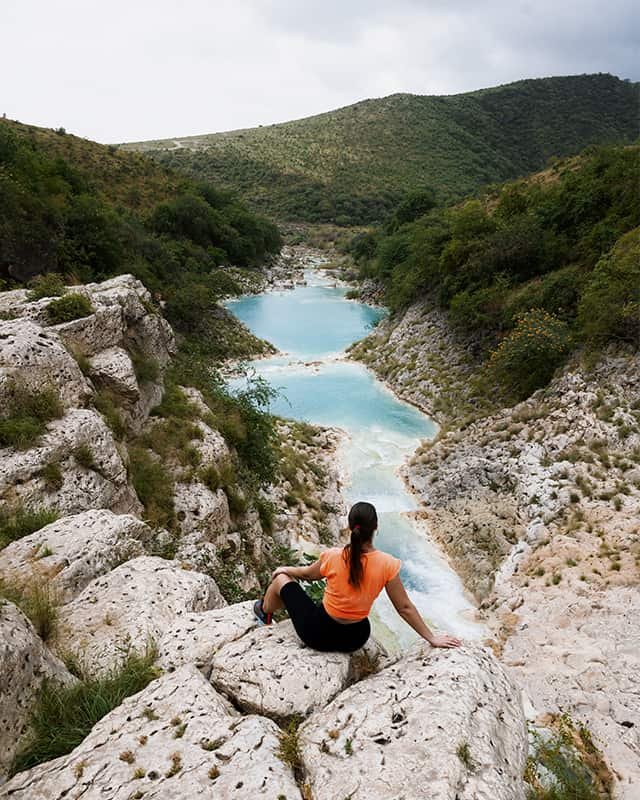
On day six, venture to Rakhyut, a remote coastal village nestled between mountains and sea. The drive itself is spectacular, featuring hairpin turns and dramatic elevation changes. In Rakhyut, observe traditional fishing boats and witness everyday coastal life in one of Dhofar’s most remote communities.
If your vehicle and driving skills permit, consider taking the challenging but rewarding route to Jebel Samhan. This mountain area offers some of the most breathtaking vistas in all of Oman, with viewpoints overlooking vast expanses of land and sea. Winter’s clear conditions make this an ideal time for photography enthusiasts to capture these sweeping landscapes.
Day 7: Desert Experiences and Return to Salalah
Dedicate your final day to experiencing the contrasting landscapes of Dhofar’s desert regions. Begin with an early morning drive to the Empty Quarter (Rub’ al Khali), where massive sand dunes stretch endlessly toward the horizon. Winter temperatures make desert exploration far more comfortable than during warmer months.
Several tour operators offer desert excursions if you prefer guidance, though self-driving with a capable 4WD is possible for experienced off-road drivers. The desert landscape provides dramatic photo opportunities, especially during early morning when the low sun creates striking shadows and highlights the sand’s texture and colors.
As midday approaches, begin your journey back toward Salalah, stopping at the Lost City of Ubar archaeological site (also known as Shisr). This UNESCO World Heritage Site features remains of an ancient desert trading post once central to the frankincense route. The visitor center provides historical context about this once-thriving desert city that mysteriously disappeared into the sands.
Return to Salalah by late afternoon, allowing time for last-minute shopping for souvenirs like frankincense, Omani halwa (a traditional sweet), or handicrafts. Conclude your Dhofar winter road trip with a seafood dinner at one of Salalah’s coastal restaurants, reflecting on the diverse landscapes and experiences you’ve encountered throughout your journey.
Practical Dhofar Road Trip Itinerary Winter Tips
When embarking on your Dhofar road trip itinerary winter adventure, several practical considerations will enhance your experience. For accommodation, book in advance if traveling during the December holiday period, as this represents a mini-peak season. Otherwise, winter generally offers good availability and reasonable rates across Salalah’s hotels and guest houses. Consider staying in central Salalah as your base for the first and last nights, with strategic overnight stays in Mirbat or Taqah when exploring eastern regions.
Regarding dining, coastal areas excel in fresh seafood options, while traditional Omani cuisine is readily available throughout the region. Many restaurants close during afternoon hours (roughly 2:30-5:00 PM), so plan accordingly. Carrying snacks and water is essential, especially when venturing to remote areas where dining options may be limited.
Safety considerations include informing someone of your daily itinerary when exploring remote locations and maintaining at least half a tank of fuel when traveling outside urban areas. Winter generally brings safe driving conditions, but occasional rainfall can create flash floods in wadis—never attempt to cross flowing water.
Cultural sensitivity remains important regardless of season—dress modestly when visiting villages and religious sites, and always ask permission before photographing local people. Winter’s pleasant climate might tempt travelers toward beachwear, but save this for designated tourist beaches and resort areas only.
Conclusion: Your Perfect Dhofar Winter Adventure
A Dhofar road trip itinerary winter expedition offers the perfect combination of comfortable climate, diverse experiences, and fewer crowds. This seven-day itinerary provides a comprehensive exploration of the region’s cultural heritage, natural wonders, and unique landscapes while taking advantage of winter’s ideal conditions.
From Salalah’s historical sites to the dramatic coastal roads, from lush wadis to the edge of the Empty Quarter, Dhofar presents remarkable diversity within a relatively compact area. Winter’s mild temperatures and clear skies create perfect conditions for outdoor adventures, photography, and immersive cultural experiences.
Whether you’re drawn by the region’s ancient frankincense heritage, its stunning natural landscapes, or the chance to experience traditional Omani hospitality, a winter road trip through Dhofar delivers unforgettable experiences and memories. With careful planning and these Dhofar winter road trip tips, your journey will surely become one of your most treasured travel experiences.
FAQ: Dhofar Winter Road Trip
What is the best time within winter to visit Dhofar?
December to February offers the most pleasant temperatures and clearest weather conditions. January typically provides the perfect balance of comfortable temperatures and minimal precipitation.
Do I absolutely need a 4WD vehicle for a Dhofar winter road trip?
While main highways and many attractions are accessible with standard vehicles, a 4WD is highly recommended as it allows access to more remote beaches, mountain viewpoints, and desert areas that contain some of Dhofar’s most spectacular scenery.
How much should I budget per day for a Dhofar road trip?
Budget approximately 50-80 OMR (130-210 USD) daily, including mid-range accommodation, meals, fuel, and activities. This can vary based on your accommodation choices and activities.
Is winter considered high season in Dhofar?
The main high season is during Khareef (monsoon season, June-September). Winter (November-March) sees moderate visitor numbers with a small peak during the December holiday period.
Are there any winter-specific festivals or events in Dhofar worth planning around?
Oman National Day (November 18th) often features celebrations and events. The Muscat Festival (usually January-February) sometimes has satellite events in Salalah. Check local calendars when planning your trip.