

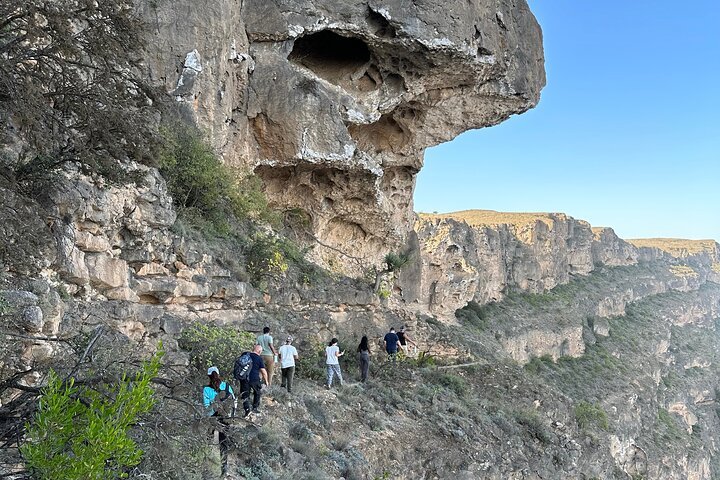
Dhofar Mountains Trekking Adventure 2026 | Salalah Guide 2026
Dhofar Mountains offer a breathtaking escape for nature lovers seeking adventure in southern Oman. The majestic mountain range creates a stunning backdrop to Salalah, with lush green terrains during the khareef season and dramatic landscapes year-round. Europeans traveling to Oman find these mountains particularly appealing during the November to March period when temperatures are ideal for exploration.
Why Explore the Dhofar Mountains Between November and March
The winter months provide the perfect climate for trekking through the Dhofar Mountains with comfortable daytime temperatures ranging between 20-25°C. Unlike the oppressive summer heat or monsoon rains, this period offers clear skies and excellent visibility across the mountain ranges. The landscape transforms into a beautiful mix of rugged terrain and occasional greenery from previous rainfall.
November through March also coincides with fewer tourists in the region, allowing for a more intimate experience with nature. Many European visitors prefer this season as it offers a welcome escape from harsh winter conditions back home. The terrain remains accessible during these months, with most trails open and natural springs still flowing from the previous khareef season.
Dhofar Mountains’ Most Spectacular Hiking Trails
Jebel Samhan offers one of the most rewarding trekking experiences in the Dhofar Mountains. This trail takes you through diverse ecosystems and provides breathtaking panoramic views from its plateau that reaches about 1,800 meters above sea level. Wildlife enthusiasts might spot the rare Arabian leopard that inhabits this protected area, though sightings are extremely uncommon.
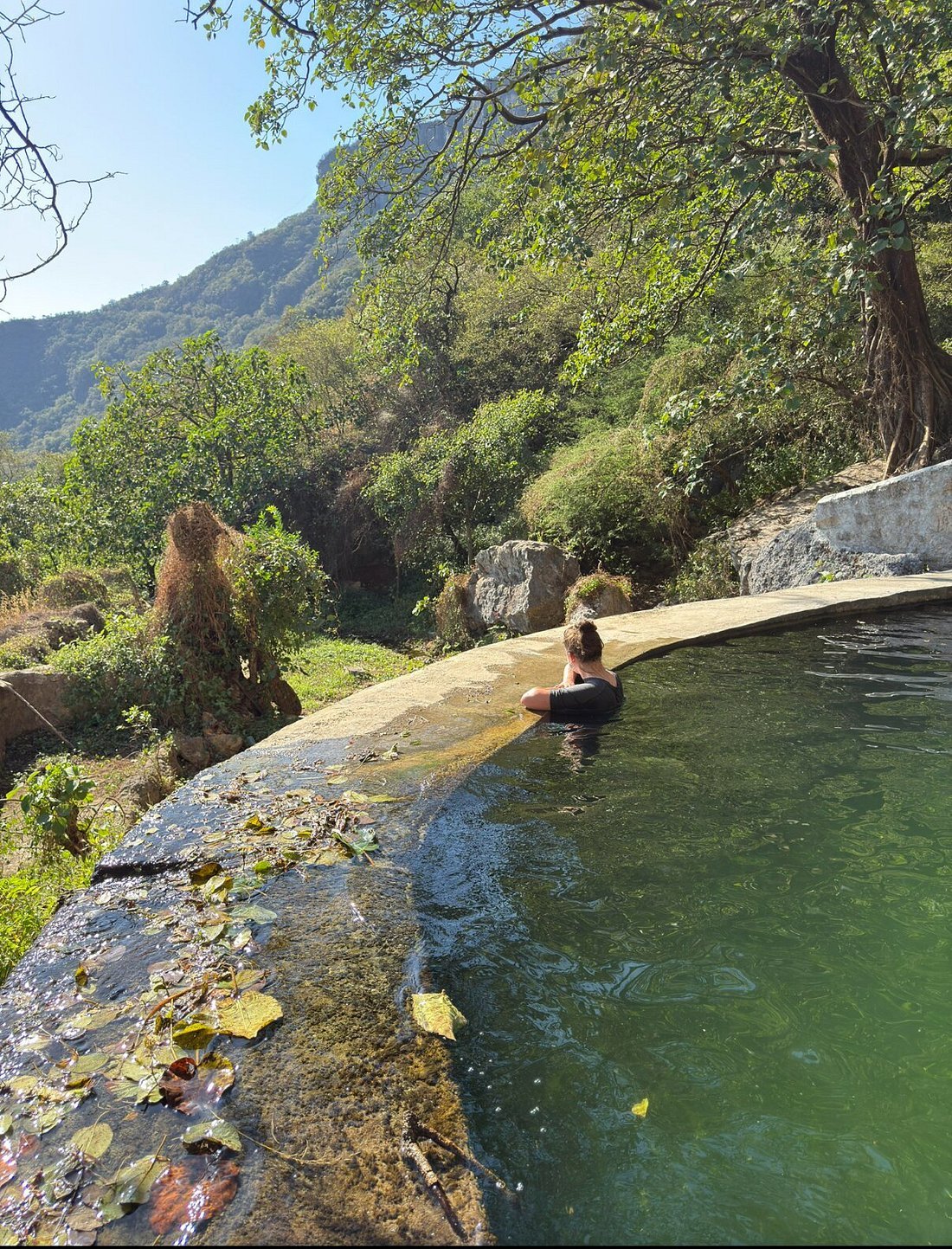
Wadi Darbat trail presents a gentler option for those seeking moderate hiking paths. The trail winds alongside seasonal waterfalls and pools that remain partially filled even during the drier months of November to March. Many European trekkers combine this hike with an overnight camping experience to enjoy the star-filled desert skies, which can be check availability through local tour operators.
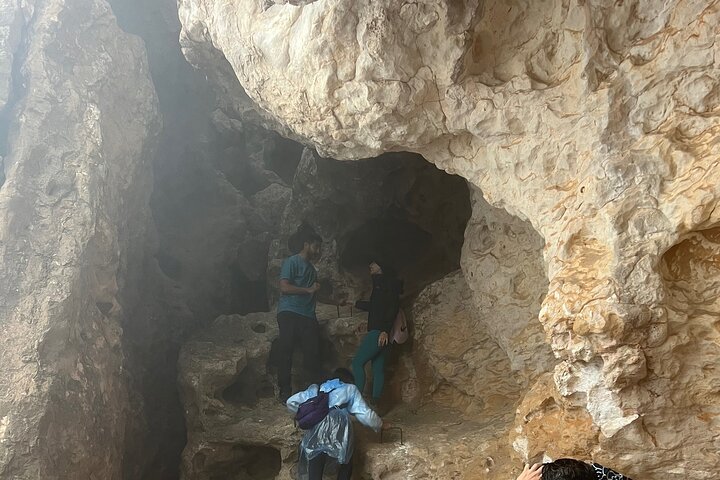
For more experienced hikers, the route to Tawi Ateer (the Sinkhole) provides a challenging trek through rugged mountain paths. This geological wonder, known locally as the “Bird Well,” features a massive sinkhole surrounded by lush vegetation. The contrast between the arid mountains and this vibrant oasis makes it one of the most photographed spots in the Dhofar region.
Essential Preparations for Mountain Trekking in Dhofar
Proper gear is crucial when exploring the Dhofar Mountains during the November to March season. Lightweight, breathable clothing layers work best as mornings and evenings can be cool while afternoons warm up considerably. Sturdy hiking boots with ankle support are non-negotiable given the rocky terrain, and a wide-brimmed hat and high-SPF sunscreen provide necessary protection from the still-potent winter sun.
Water planning requires special attention when trekking through these arid mountains. Carry at least 3 liters per person for a day hike, regardless of the cooler temperatures. Many European visitors underestimate water needs in this climate and face dehydration issues. Local guides recommend electrolyte supplements to maintain proper hydration throughout your adventure.
Navigation tools remain essential even during this optimal trekking season. Mobile coverage is spotty in the mountains, so download offline maps or compare GPS device options before your trip. Many trails aren’t clearly marked, making a local guide invaluable for first-time visitors to the Dhofar Mountains region.
Wildlife Encounters in the Dhofar Mountain Range
The Dhofar Mountains harbor surprising biodiversity despite their seemingly harsh environment. Trekkers commonly encounter Arabian gazelles and mountain goats gracefully navigating the steep slopes during early morning or late afternoon hours. Birdwatchers should bring binoculars as the mountains host several raptor species, including the impressive Egyptian vulture and Bonelli’s eagle.
Flora enthusiasts will appreciate the unique plant adaptations throughout the Dhofar Mountains. The region features desert-adapted frankincense trees, which have historically made this area famous for frankincense production. During November to March, some seasonal plants display brief flowering periods after collecting moisture from morning dew, creating unexpected splashes of color against the rocky landscape.
While wildlife viewing enhances the trekking experience, visitors should maintain respectful distances from all animals. The mountain ecosystem remains fragile, and European travelers should follow strict leave-no-trace principles when exploring these pristine environments. Local conservation efforts focus on protecting these habitats, particularly for endangered species like the Arabian leopard.
Cultural Significance of Dhofar Mountains to Local Communities
The mountain regions hold deep cultural importance for the Jebali people who have inhabited these highlands for generations. Their traditional lifestyle revolves around seasonal migration patterns influenced by the mountains’ changing conditions. During the November to March period, many Jebali families return to mountain settlements after spending the monsoon season in coastal areas.
Ancient trade routes crisscross the Dhofar Mountains, once vital pathways for frankincense merchants traveling between Arabia and Africa. European trekkers can still discover remnants of these historical trails, including stone markers and occasional ruins of rest houses. These paths offer not just natural beauty but a journey through the living history of Oman’s most important trade commodity.
Responsible tourism encourages interaction with local mountain communities through authorized guides who can provide cultural context. Many villages welcome respectful visitors and sometimes offer traditional meals or handicrafts. Supporting these communities through ethical tourism helps preserve their unique way of life while providing economic benefits that discourage younger generations from abandoning traditional mountain livelihoods.
Photography Tips for Capturing Dhofar Mountains’ Beauty
The November to March season presents ideal lighting conditions for photography in the Dhofar Mountains. Early morning (6-9 AM) and late afternoon (3-6 PM) offer golden hour lighting that dramatically enhances the textures and colors of the mountain landscape. Mid-day lighting can be harsh, washing out details in photographs, so plan major photography hikes during these optimal time windows.
Landscape photographers should prioritize wide-angle lenses to capture the sweeping vistas across the mountain ranges. The clear winter air provides exceptional visibility, allowing photographers to capture layers of mountains receding into the distance. For wildlife photography, a telephoto lens (at least 300mm) is essential as most animals maintain safe distances from humans in these protected areas.
Night photography enthusiasts will find the Dhofar Mountains offer spectacular opportunities during the November to March period. The minimal light pollution combined with typically clear winter skies creates perfect conditions for astrophotography. Many European photographers check availability for multi-day treks specifically to capture the mountains under star-filled skies.
Dhofar Mountains Through the Changing Seasons
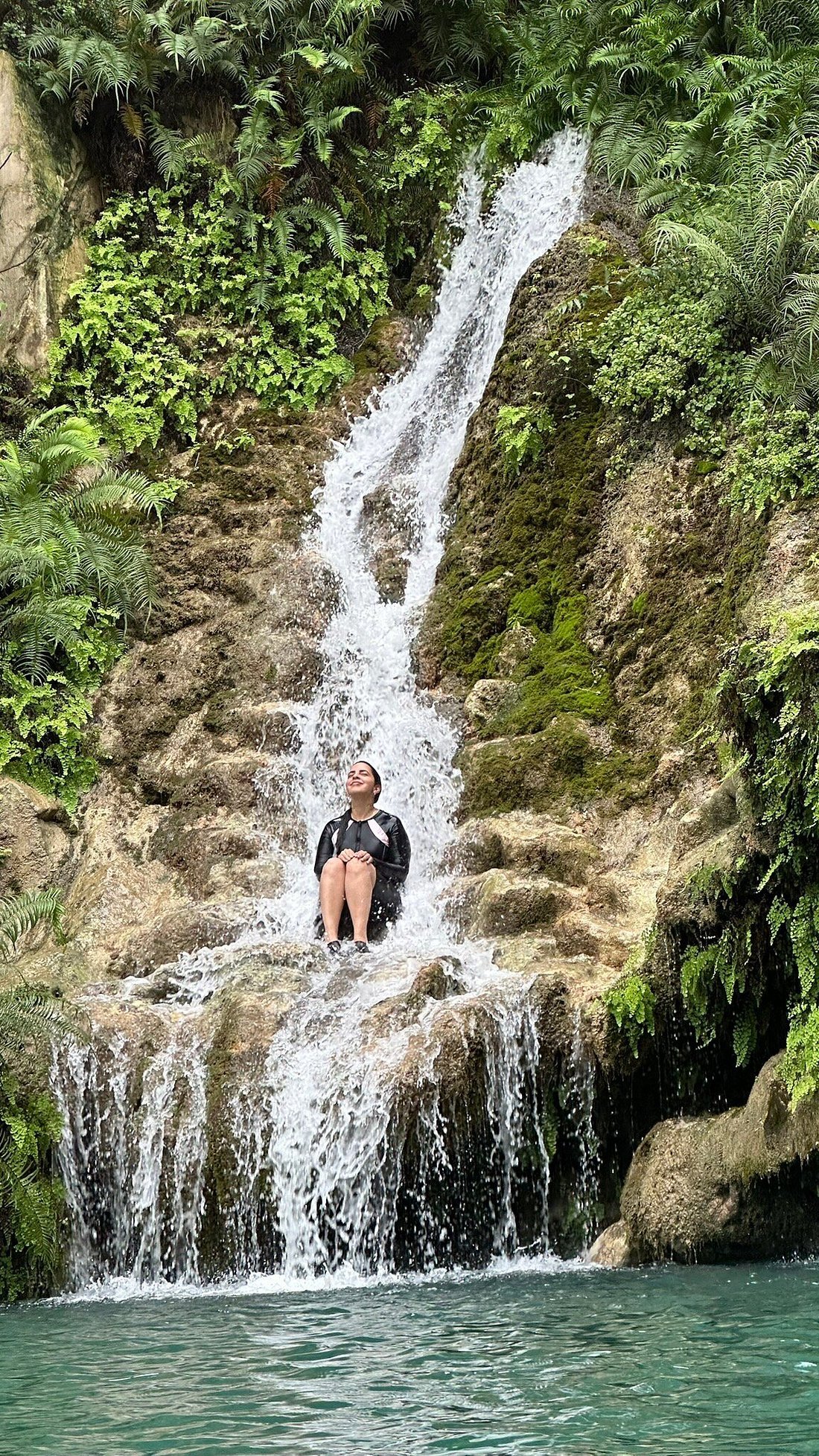
While November to March offers prime trekking conditions, understanding how the Dhofar Mountains transform throughout the year enhances appreciation for this unique ecosystem. During the summer khareef season (June-September), these mountains capture monsoon mists, transforming into green paradises with flowing waterfalls. This dramatic contrast highlights the remarkable adaptability of the mountain environment.
The post-monsoon transition period (October) sees gradual drying while maintaining some greenery, offering a different aesthetic appeal. By November, the mountains settle into their more typical arid appearance, with dramatic rock formations and deep wadis standing out against clear blue skies. This drier period actually makes many trails more accessible than during the slippery monsoon season.
European visitors planning return trips often aim to experience the Dhofar Mountains in different seasons to witness this remarkable transformation. Those limited to the November-March window will still appreciate understanding the seasonal cycle that shapes these mountains and the cultures that have adapted to its rhythms over centuries.
Safety Considerations for Dhofar Mountains Trekking
Even during the ideal November to March season, safety remains paramount when exploring the Dhofar Mountains. Weather conditions can change rapidly, with afternoon winds sometimes bringing unexpected dust or brief rain showers. Always check weather forecasts before departing and consider turning back if conditions deteriorate during your trek.
Communication planning should include informing someone about your intended route and expected return time. Consider hiring certified local guides who understand the terrain and potential hazards, especially for more remote trails. Many European travelers underestimate the isolation of certain mountain areas and the time required to arrange emergency assistance if needed.
Medical preparation includes carrying a basic first aid kit adapted for mountain environments. Include treatment for blisters, minor cuts, and insect bites, along with any personal medications. The dry climate can exacerbate respiratory issues for some visitors, so those with asthma or similar conditions should bring appropriate medications and consider shorter, less strenuous routes.
Conclusion: Embracing the Magic of the Dhofar Mountains
The Dhofar Mountains represent one of Oman’s most spectacular natural treasures, offering European travelers an unforgettable adventure beyond typical tourist experiences. From November through March, these mountains provide perfect conditions for exploration, photography, and connecting with both nature and local culture. The memories created while trekking through these ancient landscapes often become the highlight of any Omani journey.
With proper preparation and respect for the environment, travelers can safely experience the diverse wonders of the Dhofar Mountains during this optimal season. Whether you’re seeking challenging hikes, wildlife encounters, or simply the tranquility of untouched wilderness, these mountains deliver experiences impossible to find in Europe. As you plan your Salalah adventure for 2026, make the magnificent Dhofar Mountains a priority on your itinerary.
Frequently Asked Questions
What is the best time of day to start a trek in the Dhofar Mountains?
Early morning (6-8 AM) is ideal as temperatures are cooler, visibility is excellent, and wildlife is more active. Finish challenging hikes by early afternoon to avoid potential heat and have plenty of daylight hours for safe return.
Are permits required for hiking in the Dhofar Mountains?
Some protected areas require permits, particularly Jebel Samhan Nature Reserve. Check with the Ministry of Environment and Climate Affairs or arrange through a licensed tour operator who can handle permit requirements.
Can I trek the Dhofar Mountains without a guide?
While some well-marked trails can be hiked independently, hiring a local guide is strongly recommended for safety, navigation, and cultural insights. Remote areas should never be attempted without professional guidance.
How difficult are the hiking trails in the Dhofar Mountains?
Trails range from easy walks to challenging technical climbs. Wadi Darbat offers relatively easy hiking, while Jebel Samhan presents more challenging terrain. Research specific trail difficulty before attempting and choose routes matching your experience level.
What wildlife might be dangerous in the Dhofar Mountains?
While generally safe, hikers should watch for Arabian horned vipers and scorpions, especially when moving rocks or logs. Wolf spiders are common but rarely dangerous. Maintain distance from all wildlife for both your safety and their protection.