

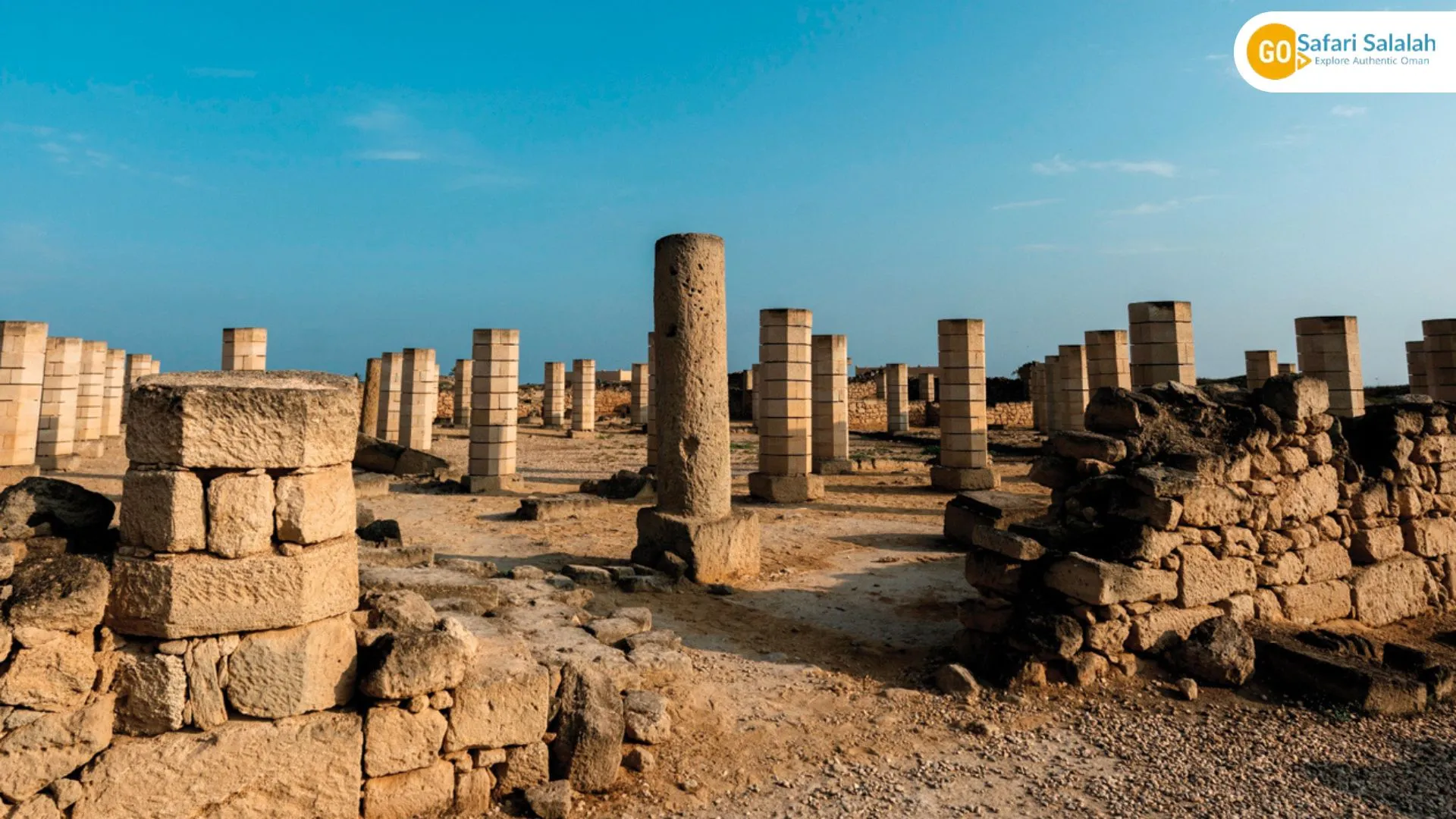
Salalah Historical Tours – Best Ancient Experiences | Salalah Guide 2026
Salalah historical tours offer European travelers a unique window into Oman’s ancient past. The coastal city of Salalah serves as an ideal base for exploring archaeological sites, ancient ruins, and cultural landmarks that tell the rich story of this Arabian region. salalah historical tours provide an excellent opportunity to discover centuries-old traditions and civilizations while escaping Europe’s harsh winter.
Top Historical Sites to Visit on Salalah Tours
The ancient ruins of Sumhuram stand as one of the region’s most significant archaeological treasures. Dating back to the 3rd century BC, this former frankincense trading port offers visitors a glimpse into the area’s commercial importance along ancient trade routes. The well-preserved stone structures and informative plaques make this site particularly rewarding for history enthusiasts.
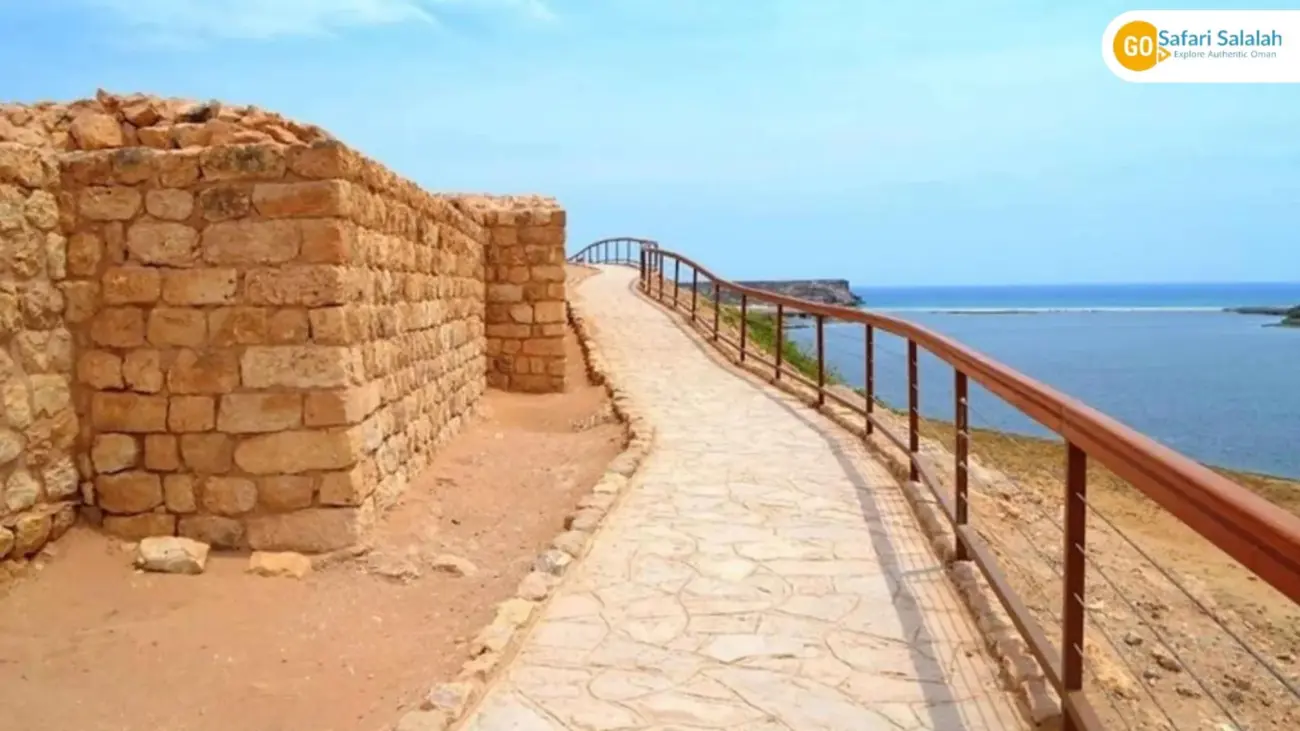
Al Baleed Archaeological Park represents another must-visit destination for those interested in Salalah’s past. This UNESCO World Heritage site features the ruins of the ancient port city of Zafar, which thrived between the 8th and 16th centuries. The adjacent Museum of the Frankincense Land provides valuable context through its impressive collection of artifacts and interactive exhibits.
Job’s Tomb, locally known as Nabi Ayoub, combines historical significance with breathtaking mountain views. While scholars debate whether this is the actual burial place of the biblical prophet, the site holds deep religious importance for locals and visitors alike. The journey to reach the tomb takes you through scenic mountain roads with spectacular vistas of the surrounding landscape.
Best Time for Salalah Historical Tours During Winter
The period from November to March provides ideal conditions for exploring Salalah’s historical sites. During these months, temperatures typically range from 20-28°C (68-82°F), creating comfortable conditions for outdoor exploration of archaeological sites. The mild climate stands in stark contrast to Europe’s winter, making this an appealing escape for travelers seeking both cultural experiences and pleasant weather.
January and February offer the most consistent weather conditions with minimal rainfall. These months allow for uninterrupted touring of outdoor historical sites without the discomfort of summer’s extreme heat. Evening temperatures can drop slightly, so bringing a light jacket is advisable for night tours or sunset visits to historical landmarks.
Late November to early December sees fewer tourists at major historical attractions. This timing provides a more intimate experience at popular sites like Al Baleed Archaeological Park and the Museum of the Frankincense Land. Many travelers check availability during this period to enjoy both reasonable rates and smaller tour groups.
Salalah Historical Tours with Local Guides
Engaging a knowledgeable local guide transforms your historical exploration of Salalah from interesting to truly illuminating. These experts provide cultural context and historical details that might otherwise go unnoticed when visiting ancient sites. Many guides come from families that have lived in the region for generations, offering personal perspectives on how these historical places connect to modern Omani life.
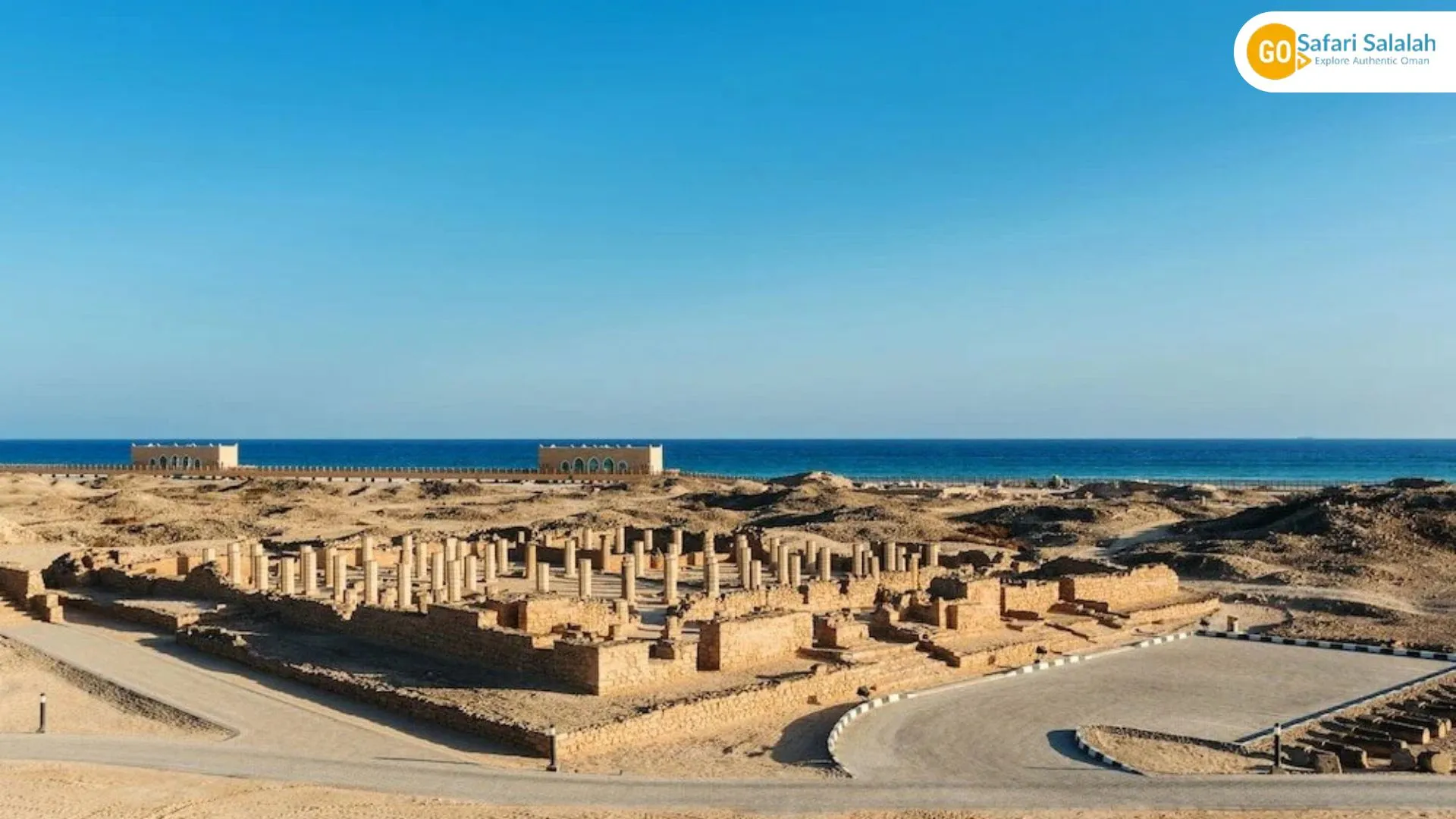
Half-day guided tours typically focus on one major archaeological site like Sumhuram or Al Baleed, plus one or two smaller historical attractions. These tours usually last 4-5 hours and provide an excellent introduction to Salalah’s history without overwhelming you with information. compare different options to find guides who specialize in your areas of interest.
Full-day historical excursions cover multiple sites across the broader Dhofar region. These comprehensive tours often include visits to the ancient city of Ubar (the “Atlantis of the Sands”), the prehistoric rock art at Taqa, and the medieval fortress at Taqah Castle. Most tour operators provide transportation in air-conditioned vehicles and often include a traditional Omani lunch experience.
Salalah historical tours focused on the Frankincense Trail
The ancient frankincense trade formed the economic backbone of this region for centuries, and specialized tours explore this fascinating aspect of local history. Visitors can follow the UNESCO-recognized Frankincense Trail, which includes key sites like Wadi Dawkah, where frankincense trees still grow, and the port ruins where this precious resin began its journey to distant lands. These themed tours provide a coherent narrative thread connecting various historical sites.
At Al Husn Souk in central Salalah, travelers can witness the modern continuation of the frankincense trade. This traditional market offers various grades of locally harvested frankincense alongside other historical crafts and goods. Tour guides typically explain the grading system and traditional uses of frankincense in Omani culture, from religious ceremonies to medicinal applications.
The Museum of the Frankincense Land deserves special attention on any frankincense-focused tour. Its Maritime Hall chronicles the naval history that made frankincense trade possible, while the History Hall documents human settlement in the region dating back 4,000 years. Book Salalah Historical Tours – A Journey Through Time to ensure this museum is included in your itinerary with adequate time for exploration.
Cultural Aspects of Historical Tours in Salalah
Beyond architectural ruins, comprehensive historical tours incorporate living cultural traditions that have survived for centuries. Visits to traditional Dhofari villages offer insights into local craftsmanship, including pottery, weaving, and metalwork techniques passed down through generations. Some tours include demonstrations by local artisans who continue practicing these ancient crafts.
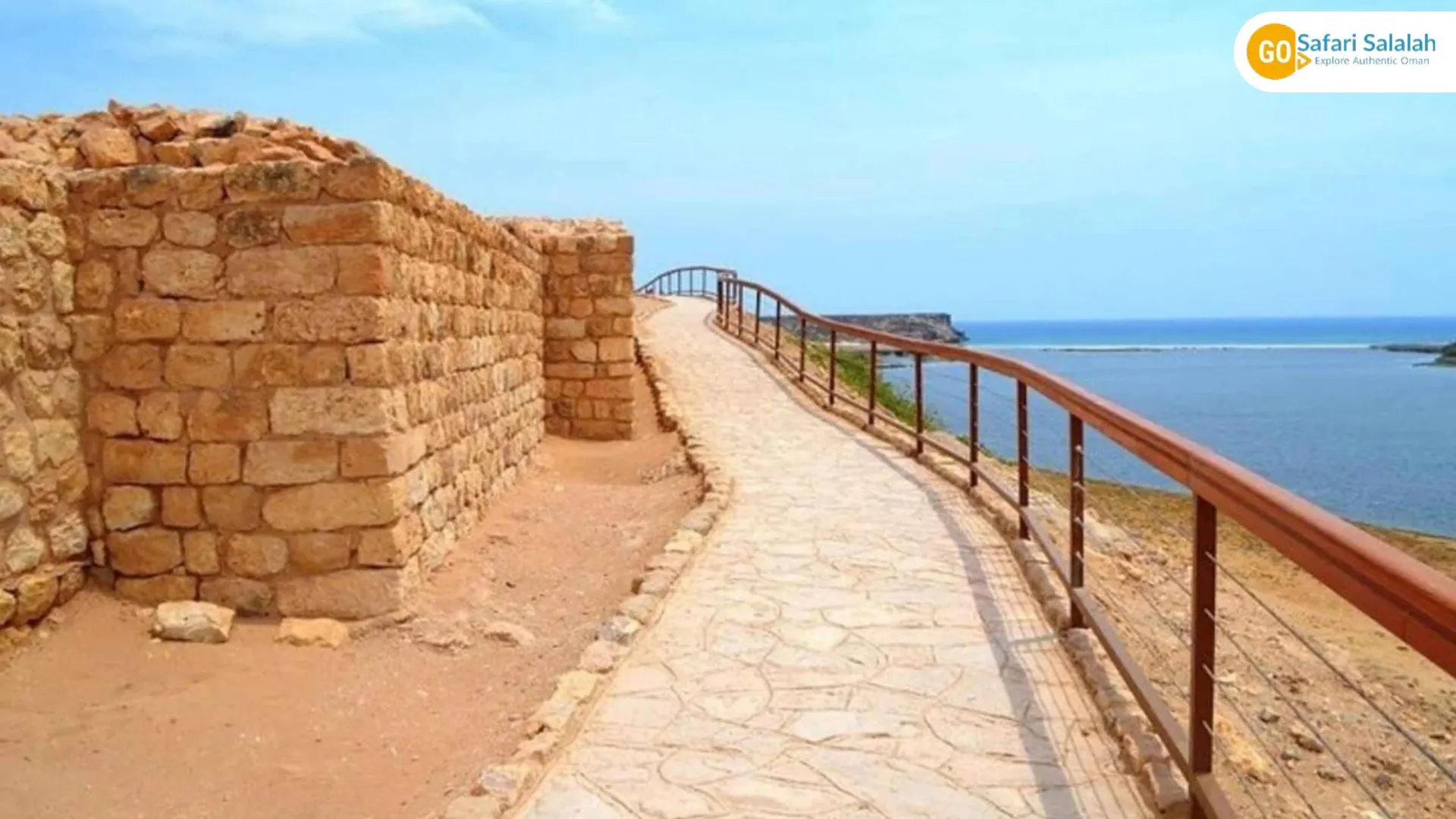
Omani cuisine forms an important part of the cultural experience on historical tours. Many guided excursions include stops at local restaurants serving traditional dishes that reflect centuries of trade influences and local agricultural practices. Specialties like shuwa (slow-cooked lamb) and qahwa (Omani coffee served with dates) offer literal tastes of history and tradition.
Musical traditions and folk performances sometimes feature in extended historical tour packages. The rhythmic sounds of the mismar (double-reed pipe) and the rahmani (goatskin drum) have accompanied Dhofari celebrations for countless generations. Evening cultural shows provide context for how music and dance relate to historical events and social customs in the region.
Planning Your Historical Exploration in Salalah
When scheduling your historical tour itinerary, consider allocating at least three days to properly explore Salalah’s major historical sites without rushing. This timeframe allows for visiting key archaeological sites, museums, and cultural attractions while still enjoying some leisure time. More ambitious travelers might compare extended 5-7 day packages that include excursions to more remote historical sites.
Transportation options include guided tour vehicles, private car hires, and rental cars for self-guided exploration. While many historical sites are accessible with a rental car, the contextual information provided by guides enhances the experience substantially. Some archaeological areas have limited signage in English, making guided tours particularly valuable for European visitors.
Accommodation choices range from hotels near Al Baleed Archaeological Park to beachfront resorts that combine historical touring with relaxation. Staying in central Salalah provides easy access to the Museum of the Frankincense Land and local historical markets. Those planning extensive historical exploration might consider the Taqa or Mirbat areas, which place you closer to several important archaeological sites.
Photography Tips for Historical Sites
The golden hours of early morning and late afternoon provide ideal lighting conditions for photographing Salalah’s ancient ruins. The soft, directional light during these periods highlights the texture and details of stone structures while creating dramatic shadows. Many organized historical tours begin early specifically to capture these optimal photography conditions.
When photographing ancient inscriptions or detailed carvings, consider using a polarizing filter to reduce glare and enhance contrast. The intricate details on stone tablets at sites like Sumhuram and Al Baleed deserve close attention. Some guided tours specifically cater to photography enthusiasts with extended time at visually striking locations.
While documenting historical sites, remember that some religious locations may have restrictions on photography. Always check with your guide before taking photos at tombs, mosques, or other sacred places. Respectful photography practices help preserve positive relationships between visitors and local communities who maintain these historical treasures.
Accessibility Considerations for Historical Tours
Most major historical sites in Salalah have made efforts to improve accessibility, though some ancient locations present inherent challenges. Al Baleed Archaeological Park features paved pathways that accommodate wheelchairs and those with mobility limitations. The Museum of the Frankincense Land is fully accessible with modern facilities and elevators between floors.
Remote archaeological sites like Sumhuram and mountain locations such as Job’s Tomb may present difficulties for travelers with mobility restrictions. When booking salalah historical tours, discuss specific accessibility needs with tour operators in advance. Many companies can customize itineraries to focus on more accessible historical sites while still providing a comprehensive cultural experience.
Travelers with specific health considerations should note that winter tours involve less heat stress than summer visits. However, some historical sites offer limited shade, so bringing appropriate sun protection remains essential. Most reputable tour operators provide air-conditioned vehicles between sites and ensure regular access to facilities throughout the day.
Conclusion
Salalah historical tours provide European travelers with a perfect winter escape combining cultural enrichment with comfortable weather conditions. From ancient frankincense trading ports to medieval fortresses, the region’s archaeological treasures offer insights into civilizations that flourished here for millennia. The period from November to March presents ideal conditions for exploring these historical sites without the extreme temperatures that characterize other seasons.
With knowledgeable guides, well-preserved sites, and excellent museums, Salalah offers a historical experience that appeals to casual history enthusiasts and serious archaeology buffs alike. Whether following the ancient Frankincense Trail or exploring the legacies of maritime trade, visitors gain a deeper appreciation for Oman’s pivotal role in regional history. For Europeans seeking a winter destination rich in culture, history, and natural beauty, salalah historical tours stand out as a rewarding choice for 2026 travel planning.
FAQ
What is the best month for salalah historical tours during winter?
January and February offer the most reliable weather conditions for historical tours, with comfortable temperatures around 20-28°C and minimal rainfall.
How many days should I allocate for exploring Salalah’s historical sites?
A minimum of three days is recommended to visit the major historical attractions without rushing. For more comprehensive exploration, consider 5-7 days.
Are salalah historical tours suitable for children?
Yes, many sites like the Museum of the Frankincense Land and Al Baleed Archaeological Park offer engaging experiences for children, though some remote sites may be less interesting for younger visitors.
What should I wear when visiting historical sites in Salalah?
Comfortable, modest clothing is appropriate. For women, shoulders and knees should be covered. Comfortable walking shoes are essential as many sites involve uneven terrain.
Can I explore Salalah’s historical sites without a guide?
While independent exploration is possible at major sites like Al Baleed Archaeological Park, the experience is significantly enhanced by knowledgeable guides who provide historical context and cultural insights.